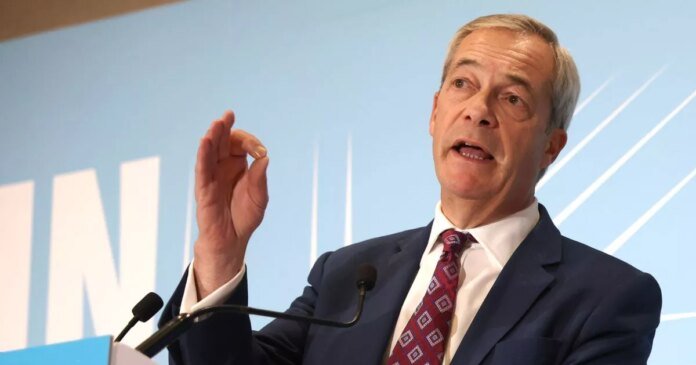

Reform UK members, including Nigel Farage, who have criticized the mansion tax, may themselves be subject to the new levy. The party’s top officials, including two MPs and the treasurer, own properties valued at millions of pounds, potentially making them liable for the tax.
Deputy leader Richard Tice previously condemned the mansion tax as detrimental to the economy, yet he failed to disclose his ownership of a £4 million property. Similarly, MP Danny Kruger, who co-owns a London house valued at over £2 million, and treasurer Nick Candy, who purchased an £8.5 million manor in Oxfordshire, are also expected to be impacted by the tax.
Chancellor Rachel Reeves introduced the mansion tax targeting properties over £2 million, aiming to address wealth inequality. The annual charge, starting in 2028, will apply to high-value properties, with owners required to pay at least £2,500 per year. Reeves emphasized the importance of tackling wealth disparity and expects the new surcharge to generate over £400 million by 2031, affecting less than 1% of properties.
Critics, including a Labour source, have lambasted Farage for opposing fairer taxation policies, citing his alleged alignment with foreign billionaires. Farage’s stance on economic matters has sparked controversy, with detractors accusing him of being disconnected from the interests of ordinary citizens.
Both Tice and Kruger have refrained from commenting on their potential liabilities under the mansion tax. Requests for comments from Reform UK and Candy’s representative remain unanswered.