
In recent years, the steady increase in food prices due to the ongoing cost of living crisis has been a concern for many consumers. This trend is evident when shopping at supermarkets and noticing the repeated price hikes on favorite food products.
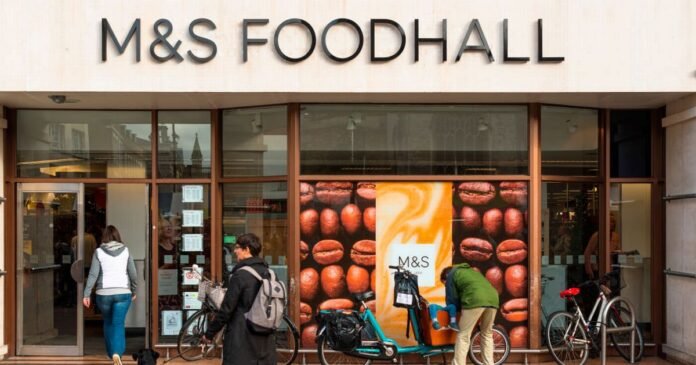
To mitigate rising costs, many individuals have turned to purchasing supermarkets’ own basic ranges instead of opting for well-known brands. However, a recent visit to Marks & Spencer revealed that even this cost-saving strategy may not always be effective. While M&S is known for its upscale offerings, it typically still provides reasonably priced everyday items.
For instance, M&S’ Classic Mayonnaise, priced at £1.50 for a 500ml tub, is only slightly more expensive than Sainsbury’s Thick & Creamy 500ml at 99p and Tesco Mayonnaise at 95p for the same quantity.
However, the introduction of M&S’ new Only… Ingredients range showcased a significant price disparity. The Olive Oil Mayonnaise, made with only six ingredients, was priced at a steep £4.50 for a 250g tub, compared to the £1.50 Classic Mayonnaise.
Despite the product description emphasizing the quality and simplicity of the ingredients, the substantial price gap between the Olive Oil variant and the Classic version raised eyebrows among consumers. The surge in olive oil prices globally over recent years contributes to the higher cost of products containing this ingredient.
While some products in the Only… Ingredients range maintain reasonable pricing, such as the 6 Heritage Gold Pork Sausages and 4 White Rolls, the disparity in costs remains a point of contention. The range’s focus on minimal ingredients is commendable, but the elevated prices may deter budget-conscious shoppers.
The high cost of olive oil in British supermarkets stems from various factors, including reduced global supply due to poor harvests, supply and demand imbalances, increased import and supply-chain expenses, currency fluctuations, and retail pricing strategies based on quality tiers.
As consumers navigate escalating food prices, the affordability and value of everyday grocery items become crucial considerations. While premium products command higher prices, striking a balance between quality and cost remains a challenge for both retailers and shoppers alike.