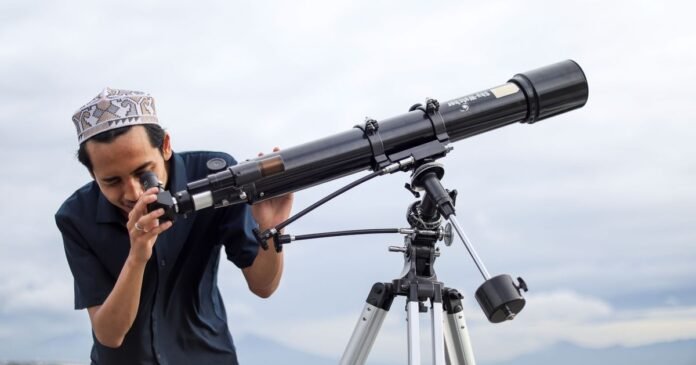

Saudi Arabia has officially announced that Eid al-Fitr will commence on Friday, March 20, after the new crescent moon was not sighted. The festival marks the end of Ramadan, a month of fasting observed by Muslims worldwide. The confirmation came following religious scholars scanning the skies post-Maghrib prayer to determine the start of the festivities.
Saudi Arabia, known for setting the benchmark for Eid dates due to its significance in Islam, welcomed a truce between Pakistan and Afghanistan as Eid Al Fitr approaches. The country’s ‘tireless diplomatic efforts’ continue to play a crucial role in fostering peace agreements.
While some countries like Morocco rely on their moon-sighting systems, others, like the UK, may opt to follow different calendars. In Dubai, preparations are underway for the mass prayer service to mark Eid, scheduled across 900 mosques.
In a unique move in Dubai and Abu Dhabi, authorities have heightened security measures for Eid celebrations. The traditional open-air prayer gatherings have been shifted indoors to better manage crowds and enhance security vigilance.
In Manchester, the outdoor Eid-al-Fitr celebration was canceled due to unfavorable weather conditions, leaving the ground unsuitable for the event. However, the fun fair will still run over the weekend, providing families with an alternative festive experience.
As Eid celebrations kick off globally, various countries have confirmed the commencement of Eid al-Fitr based on moon sightings. With the holiday period extended in the UAE for a four-day weekend, residents and visitors are gearing up for a joyous celebration.
The temporary truce between Pakistan and Afghanistan ahead of Eid has been well-received by nations like Saudi Arabia and Qatar. The pause in strikes aims to promote peace and dialogue during the festive period.
Eid traditions vary across different countries, with unique customs and practices observed by Muslim communities worldwide. From festive gatherings to prayers and family reunions, the spirit of Eid al-Fitr resonates with joy and unity.
The significance of the crescent moon sighting marks the beginning of Eid festivities, symbolizing the start of Shawwal in the Islamic calendar. While variations in moon-sighting systems may lead to different Eid dates, the essence of the celebration remains rooted in faith and community spirit.