
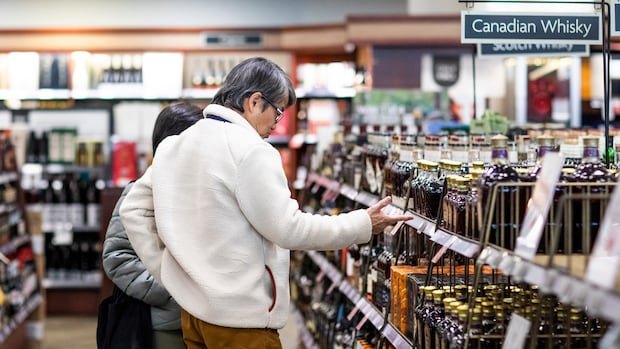

Distiller James Lester, the founder of Sons of Vancouver distillery in British Columbia, is facing a new challenge amidst the ongoing trade war disruptions. Recent U.S. bans have completely barred certain Canadian alcohol products, including those from Lester’s distillery, from entering the American market.
Lester, who typically exports wheated rye to the U.S. annually, expressed disappointment as he had invested considerable effort in building relationships and expanding his business in the American market. The sudden ban has left him with limited options for his American customers, even affecting online sales to the U.S.
The import restrictions have particularly impacted small alcohol producers, with spirits manufacturers bearing a significant brunt due to the higher volume of liquor exports to the U.S. compared to beer and wine. The move has raised concerns among industry experts, with the spirits sector heavily reliant on the U.S. market for its products.
While the ban exempts certain larger spirits companies from its full impact, smaller players are feeling the repercussions. The alcohol trade dispute has escalated due to the personal and cultural significance of alcoholic beverages, making them effective targets in the ongoing trade tensions between Canada and the U.S.
Joan Kautz, representing Ironstone Vineyards in California, highlighted the financial impact of the alcohol trade dispute, with Canadian market closures resulting in significant losses for the winery. Despite the challenges, Kautz remains optimistic about the eventual resolution of the feud and the resumption of trade between the two countries.
The Distilled Spirits Council of the U.S. has urged President Donald Trump’s administration to address the trade dispute, emphasizing the importance of restoring trade relations for the benefit of both American and Canadian alcohol producers.