
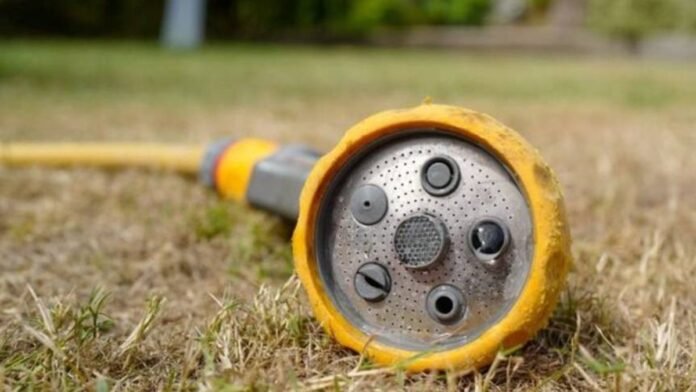

South East Water has implemented a hosepipe ban due to the prevailing hot weather conditions. Approximately 2.4 million customers in Sussex, Surrey, Hampshire, and Berkshire will be affected by the temporary restrictions starting this Saturday.
The company is urging its customers to reduce water consumption immediately by refraining from using hosepipes for activities such as gardening, car washing, patio cleaning, boat maintenance, and swimming pool filling. Previously, the ban was only applicable to customers in Kent.
Several other water suppliers, including Anglian Water, Cambridge Water, Southern Water, and Affinity Water, have also imposed restrictions due to insufficient rainfall and a surge in water demand. This decision coincides with Greenpeace’s claim that water companies in England and Wales are losing significant amounts of water due to leaky pipes.
South East Water highlighted a decrease in river levels and the necessity to safeguard groundwater sources following below-average rainfall, high temperatures, and increased water requirements. Douglas Whitfield, the water supply director at South East Water, emphasized the importance of ensuring sufficient water for essential needs like drinking, cooking, and hygiene.
In light of the prolonged dry spell in central and south-east England, the Met Office reported no recorded rainfall for 14 consecutive days from July 2 to July 15, marking the longest period without rain in these regions since the late 1990s.
The Environment Agency reported that reservoir storage levels in England are currently at 79%, slightly below the long-term average for this time of year. Notably low water levels were observed in six reservoirs, with some, like Blagdon reservoir in Somerset, classified as exceptionally low.
This situation follows a series of hot days in the UK, with temperatures exceeding 30°C on 28 days in 2026, spread across May, June, and July. Greenpeace UK’s chief scientist Dr. Doug Parr called for urgent action to address water leakage issues and mitigate the impacts of climate change-induced droughts on water security.
As the demand for water conservation grows, it is essential for water companies to address infrastructure challenges and reduce environmental impacts to ensure sustainable water resources for both people and nature.