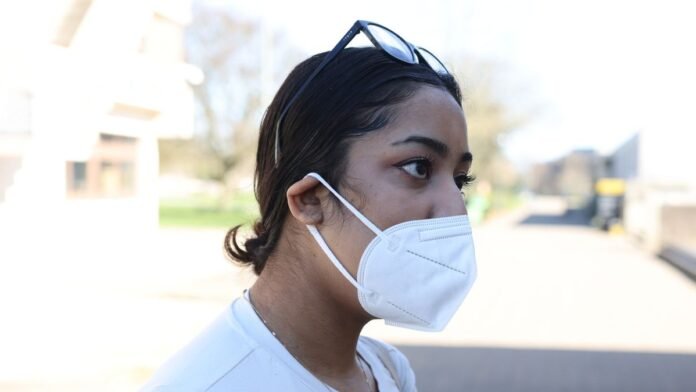

In Canterbury, a student shared her experience of being hospitalized for two days due to suspected meningitis. Ranya, a 21-year-old student studying accountancy and finance, recounted feeling unwell before seeking medical attention. Initially mistaking her symptoms for the flu or a cough, Ranya’s friends urged her to get antibiotics from the university clinic. Concerned about her deteriorating health, they advised her to contact the emergency helpline.
Upon arriving at the university, staff noted Ranya’s visibly poor condition and recommended she call for medical advice. Subsequently, paramedics summoned an ambulance to her location, leading to her admission to Ashford Hospital. Despite initial uncertainties, medical professionals conducted various tests to determine the nature of Ranya’s illness, which included multiple blood tests.
Ranya vividly described the chaotic scene inside the hospital, mentioning overcrowded rooms and distressed patients. She highlighted the severity of the situation, recalling instances of individuals in extreme pain and distress. The lack of communication from medical staff only added to the anxiety experienced by those awaiting test results and treatment.
After her discharge, Ranya expressed gratitude for the support received from the university but raised concerns about students disregarding safety measures on campus. She emphasized the importance of taking the illness seriously, especially considering the potential consequences.
Students at the University of Kent are now receiving targeted vaccinations as part of a proactive health response. A spokesperson from the university affirmed the institution’s commitment to safeguarding the well-being of its student community during this challenging period.