
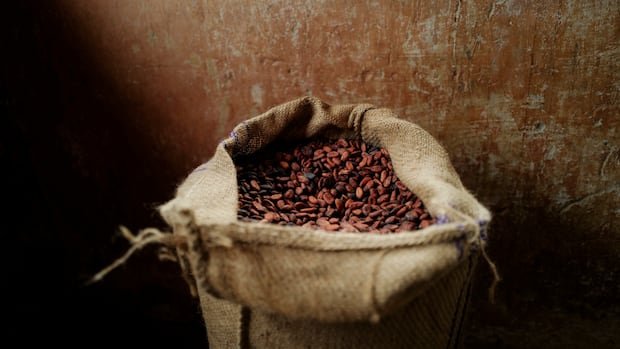

A recent peer-reviewed study highlights a lesser-known risk faced by cocoa production amidst the backdrop of stores stocking up on vibrant packages of Halloween chocolates. Lead researcher Anna Lea Albright, an environmental fellow at Harvard University, emphasized the impact of heavy rainfall as a significant threat to cocoa cultivation, overshadowing the commonly perceived risks of heat and drought.
The study focused on Ghana, the world’s second-largest cocoa producer, and revealed that extreme rainfall during the flowering period poses a more substantial risk to cocoa yields compared to temperature fluctuations. Excessive rain can harm delicate cocoa tree flowers and young pods, leading to lower productivity and increased susceptibility to fungal infections like black pod disease.
The research also identified a clear climate trend, with warmer air retaining more moisture, resulting in intensified heavy rain events during the wet season. Despite El Niño typically reducing extreme rainfall risks in West Africa, it raises concerns of drought, exacerbating challenges for cocoa farmers in the region.
Experts underscore the growing unattractiveness of cocoa farming in West Africa due to climate shocks, pushing farmers out of the industry. This shift has prompted innovations in cocoa-free chocolate alternatives, with major players like Nestlé partnering with cocoa-free chocolate startups to explore more resilient supply chains using ingredients like sunflower seeds.
As climate change continues to impact cocoa production, the study advocates for strategic interventions like fungicide use and improved drainage systems to mitigate the adverse effects of extreme rainfall on cocoa crops. However, concerns persist about the long-term sustainability of cocoa farming in the face of escalating climate challenges and economic pressures on smallholder farmers in the region.