
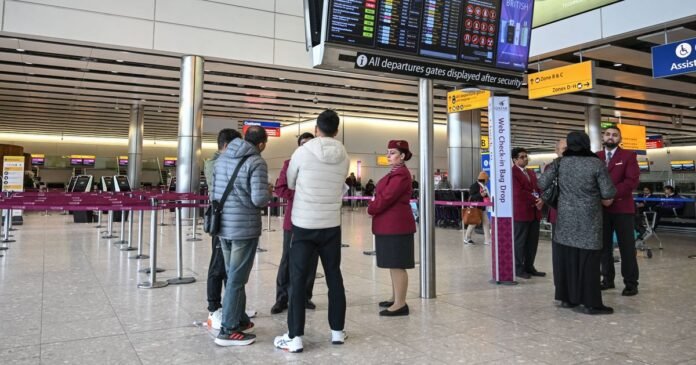

The unexpected turmoil in the Middle East has left numerous travelers and vacationers stranded overseas. The disruption in travel has caused a significant impact, especially considering that Dubai International Airport, known for its high passenger traffic, saw a record 95 million travelers last year.
The dominance of Middle Eastern airlines in long-haul flights has led to a large number of individuals being stuck in foreign countries due to the closure of transport hubs. With over 20,000 flights canceled within a short period, the upcoming holiday season raises concerns about the implications for vacation plans.
For those currently on holiday facing sudden departures due to conflicts, extreme weather, or other emergencies, the responsibility lies with the holiday company or airline to arrange safe returns. Government intervention, including repatriation efforts in collaboration with airlines, is also crucial in such situations.
In the event of being stranded abroad, it’s essential to remain calm, follow airline guidance, and stay updated through official channels like the Foreign Office website. Package holiday providers typically handle repatriation for their customers, while individual flight bookings require direct communication with the airline.
During mass disruptions, such as the current scenario in the Middle East, delays are expected, and affected individuals may receive accommodation assistance. However, travelers should be prepared, keep essential items handy, and await instructions before heading to the airport.
In instances where travelers are scheduled to visit areas under threat, checking the Foreign Office advice is paramount. Refunds or rescheduling options may be available if travel warnings are in place. Travel insurance can also play a vital role in mitigating financial risks during unforeseen events, although coverage for specific circumstances may vary.
Understanding the terms and conditions of travel agreements, including provisions for unexpected disruptions, empowers travelers to navigate challenging situations effectively. Seeking assistance from insurers and following proper claim procedures can aid in resolving issues and accessing necessary support while abroad.
Preparedness, flexibility, and a comprehensive insurance policy are key elements in dealing with unexpected travel disruptions caused by various factors like natural disasters, conflicts, or emergencies. By staying informed, having a backup plan, and securing appropriate insurance coverage, travelers can mitigate risks and ensure a smoother travel experience.