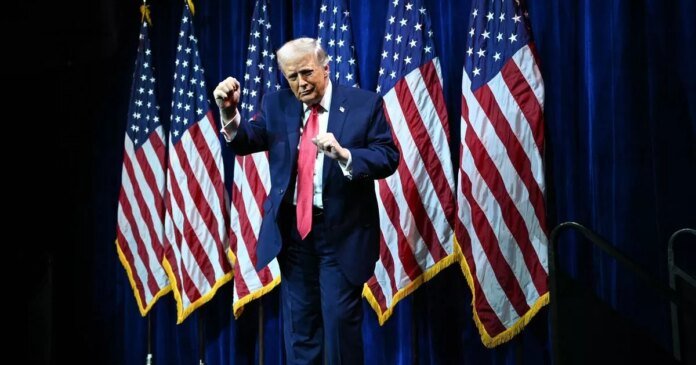

The White House under Donald Trump’s administration is revising the historical narrative of the events on January 6th, which is causing concern among observers. Trump has been vocal in characterizing the day as peaceful, even referring to the participants as patriots and peaceful demonstrators. However, the official alteration of this narrative on a government website is raising alarms and drawing criticism for distorting facts. This move is being likened to tactics seen in authoritarian regimes, signaling a troubling trend. The revised account includes misleading information, such as falsely labeling the shooting of rioter Ashli Babbitt as “murder,” when in reality, it was deemed a lawful act by Capitol Police. Moreover, the revised timeline portrays a skewed version of events, including baseless accusations against former Vice President Mike Pence for not overturning the election results. Such manipulative tactics are unsettling and raise questions about the integrity of official information dissemination.
In another controversial move, an official statement from White House Press Secretary Karoline Leavitt disclosed Trump’s intentions to acquire Greenland, either through purchase or by military force if Denmark refuses. The statement emphasized Trump’s view of Greenland as a strategic asset for national security, hinting at potential aggressive tactics to achieve this goal. The administration’s pursuit of such ventures has sparked criticism and heightened concerns about its foreign policy decisions.
Additionally, recent actions by Trump’s administration, such as the redesign of entrance passes for US National Parks to feature Trump’s image, have faced legal challenges and public backlash. The move to include Trump’s face on these passes, in violation of established guidelines, has led to creative forms of protest, such as placing stickers over his image. The administration’s response to this dissent, exemplified by updating rules to ban stickers on passes, reflects a contentious approach to public feedback.
Furthermore, recent incidents involving US military actions, such as the interception of a Venezuela-linked oil tanker in the North Atlantic, have drawn international attention. The operation, supported by UK Armed Forces, aimed to enforce sanctions against vessels engaged in illicit activities. This joint effort highlights the close defense partnership between the US and the UK and underscores the commitment to combating sanctions violations for global security and stability.
Overall, these developments underscore the controversial and unconventional approach taken by the Trump administration in various policy areas, raising concerns about transparency, accountability, and adherence to established norms.