
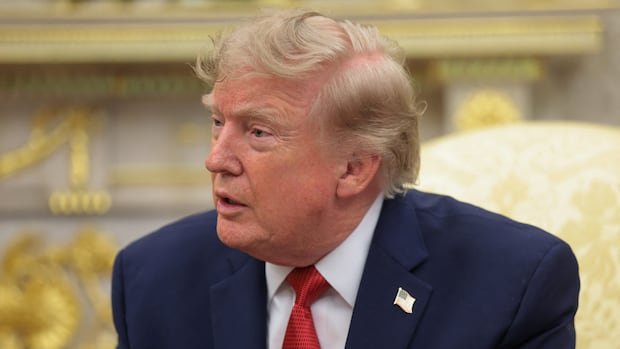

The United States President, Donald Trump, has once again issued a warning to Oman, while Iran has disclosed ongoing collaboration with the Gulf nation on a strategy to oversee shipping activities through the Strait of Hormuz. Reopening the strait has been a crucial demand from the U.S.
As the 60-day negotiation period aimed at reaching a peace agreement between the U.S. and Iran came to an end, both parties seemed to be at a standstill without any mention of a potential extension.
In the latest updates on Monday regarding the U.S. and Israel-Iran conflict, Iran indicated progress in discussions with Oman regarding a plan for ships to navigate the Strait of Hormuz, with efforts underway to finalize a joint statement on the matter.
Iran’s Foreign Ministry spokesperson, Esmail Baghaei, revealed that an understanding had been reached concerning the transit route map, hinting at a potential agreement that would allow ships to enter the strait near Iran and exit close to Oman without incurring fees during an interim period.
In a previous development, President Trump reportedly made threats against Oman during an interview with Fox News, stating that the U.S. would take military action against Oman if it interfered with the situation. This was not the first instance of Trump issuing such threats, as he had previously made similar remarks regarding Oman’s compliance.
Additionally, Houthi rebels in Yemen claimed responsibility for attacking a ship and several military boats in the Red Sea near Mokha. The rebels allegedly used ballistic missiles in the assault, with Saudi Arabia being identified as the target, although no concrete evidence was provided to support the claim.
Furthermore, drone attacks targeted two officials in northern Iraq, with the regional counterterrorism service attributing the attacks to the border with Iran. The incidents marked a departure from previous attacks, as they directly targeted government buildings in the region, prompting concerns over escalating tensions.
Amidst these developments, Iranian Foreign Minister Abbas Araghchi sought to distance Iran from the attacks, emphasizing the need for vigilance against potential provocations aimed at destabilizing the region. Concurrently, U.S. forces in Iraq began preparations to withdraw ahead of the agreed deadline to end the American military presence in the country by September 30.