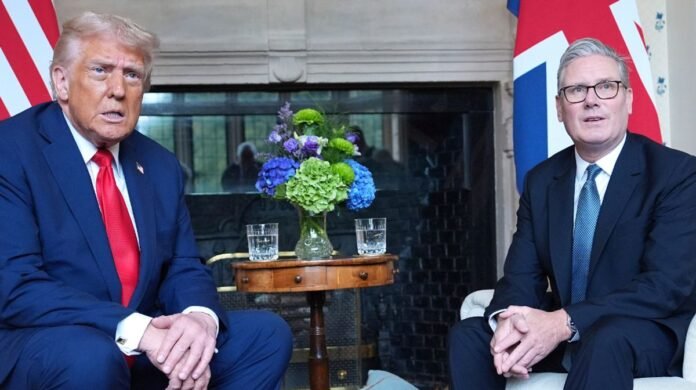

Donald Trump appears surprised by the lack of support from U.S. allies regarding Iran. However, this reaction shouldn’t come as a shock. The recent events have been building up towards this outcome.
To summarize, Trump’s actions against Iran lacked a well-thought-out plan for the expected consequences. While Iran couldn’t match the U.S. military might, they could disrupt global trade by threatening the crucial Strait of Hormuz.
Faced with the challenge of a prolonged conflict and no clear victory in sight, Trump sought help from other nations to address the aftermath of his actions. Unfortunately, the international community responded with a resounding refusal.
The reluctance of other countries to intervene stems from the fear of backlash from their populations and a misunderstanding of Trump’s presidency. Despite being labeled as a “transactional” leader, Trump’s focus lies solely on personal gains and his administration’s interests, rather than mutual benefits in deals.
Trump’s foreign policy approach has been characterized by coercion rather than fair negotiations. His tactics involve leveraging threats of violence or severe economic sanctions to achieve concessions.
This approach, more accurately described as extortion, has faced setbacks due to legal challenges on tariffs and Trump’s overconfidence following past successes. The lack of international support for Trump’s actions in Iran can be attributed to his diminishing leverage and a sense of overestimation of his capabilities.