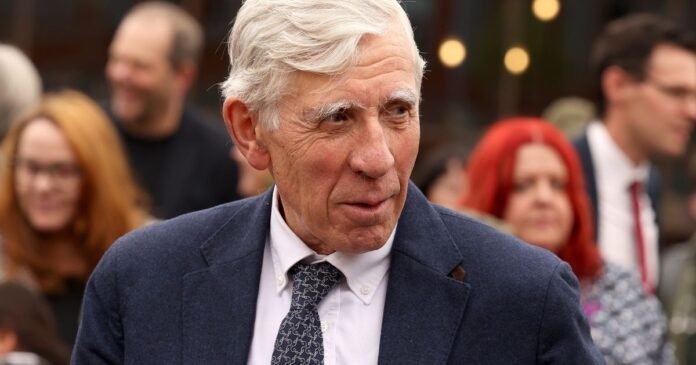

After assuming the role of Foreign Secretary shortly before the tragic events of September 11, 2001, which marked a significant loss of life in the United States due to Al Qaeda terrorism, our focus shifted to addressing the aftermath. President George W. Bush’s determination to prevent such attacks reinforced the need for international cooperation. Despite challenges in navigating the Bush administration, Prime Minister Tony Blair successfully advocated for utilizing the United Nations to garner global support for interventions in Afghanistan and Iraq.
The complexities of managing relations with the Bush administration were overshadowed by the unprecedented challenges posed by the current administration led by President Donald Trump. While criticisms of the Labour government persist, it is acknowledged that Keir Starmer’s handling of interactions with Trump has been commendable, surpassing the expectations of other prominent political figures in the UK.
The recent announcement by President Trump to withdraw the United States from 66 international agencies, citing conflicting national interests, has raised concerns. The affected organizations, including the UN Framework Convention on Climate Change and UN Women, are viewed by Trump as promoting a “woke agenda” and deemed redundant by his administration.
This move reflects a broader isolationist stance taken by the US, reminiscent of historical events like the rejection of the League of Nations post-World War I. The potential repercussions of disengaging from global bodies like the UN, which have played a crucial role in conflict prevention, should be carefully considered in light of President Trump’s actions.
In a personal anecdote, following the 9/11 attacks, a diplomatic mission to Iran was undertaken to seek cooperation against the Taliban in Afghanistan. This marked the first official visit by a British Foreign Secretary to Iran since the Islamic Revolution in 1979, highlighting the evolving dynamics of international relations in the region.
The current unrest in Iran, reminiscent of historical upheavals, underscores the ongoing challenges faced by the regime. As uncertainty looms, the decay within the ruling establishment raises questions about the future trajectory of the country.
Amidst political reflections, the transition of personal archives to a university library, including nostalgic memorabilia like letters of condolence for a football team, offers a glimpse into the multifaceted experiences intertwined with political engagements.
On a lighter note, recent research suggesting that dogs can comprehend human conversations underscores the uncanny ability of pets to decipher intentions, reminiscent of interactions with toddlers attempting to conceal information. The innate understanding exhibited by our furry companions adds a touch of familiarity to daily interactions within households.