
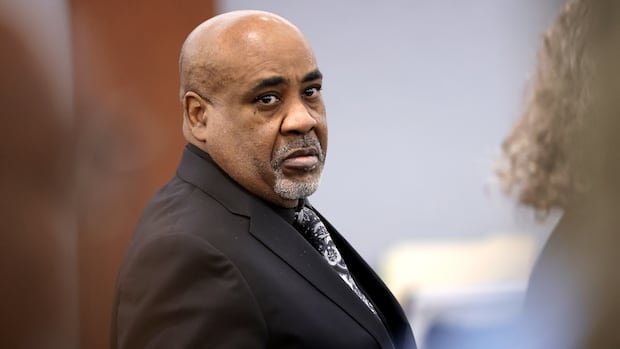

Duane “Keffe D” Davis, aged 63, has been found guilty by a jury for masterminding the 1996 murder of renowned rap artist Tupac Shakur, marking the first conviction in a case that has captivated hip-hop enthusiasts for years. The verdict came after a weeks-long trial in Las Vegas, with the jury deliberating for three hours. Davis faces potential life imprisonment after being convicted of murder with a deadly weapon.
Upon hearing the verdict, emotions ran high in the courtroom. Shakur’s sister, Sekyiwa “Set” Shakur, was visibly moved, while Davis’s son covered his face in reaction. Chief Deputy District Attorney Binu Palal asserted in closing arguments that Davis procured a gun and actively sought out Shakur and Death Row Records co-founder Marion “Suge” Knight following an altercation earlier that same night involving Davis’s nephew. Palal highlighted the consistency in Davis’s narrative of placing himself inside a white Cadillac from which the fatal shots were fired.
In his defense, Davis’s attorney, Michael Sanft, challenged the jury to find evidence beyond Davis’s own statements linking him to the scene of the crime in Las Vegas on the night of Shakur’s shooting. Sanft pointed out the absence of surveillance footage or phone records placing Davis at the location. The trial shed light on the details surrounding the historic event that left Shakur dead and Knight wounded.
The case, which has garnered attention from hip-hop fans and legal experts alike, has brought closure to a longstanding mystery in the music industry. Shakur, a highly influential figure in the rap world, tragically lost his life on September 7, 1996, in a drive-by shooting while stopped at a red light in Las Vegas. Davis’s public statements, confessing his involvement in the incident and providing the murder weapon, were instrumental in bringing forth charges after decades of silence.
Under Nevada law, aiding in a murder can lead to conviction, and Davis stands as the only surviving member among the alleged individuals present in the Cadillac during the shooting. Prosecutors emphasized that corroborating evidence was not necessary if the jury found Davis’s statements credible. While the question of who pulled the trigger remained unanswered, prosecutors argued that Davis’s role in orchestrating the attack made him criminally liable.
Palal underscored the premeditated nature of the shooting, citing testimonies and Davis’s accounts of the group’s deliberate search for Shakur before the fatal encounter. The trial also delved into Davis’s own words, including excerpts from his memoir, which prosecutors used to substantiate their case. Davis’s shifting narratives and the contents of his book were scrutinized to establish his involvement in the crime.
The courtroom drama reached its peak as attorneys presented their final arguments, with the prosecution highlighting Davis’s apparent profit from the murder and the chilling detail of his scrapbook containing articles about Shakur. As the trial concluded, the conviction of Duane “Keffe D” Davis marked a significant milestone in the enduring legacy of Tupac Shakur and the quest for justice in his untimely demise.