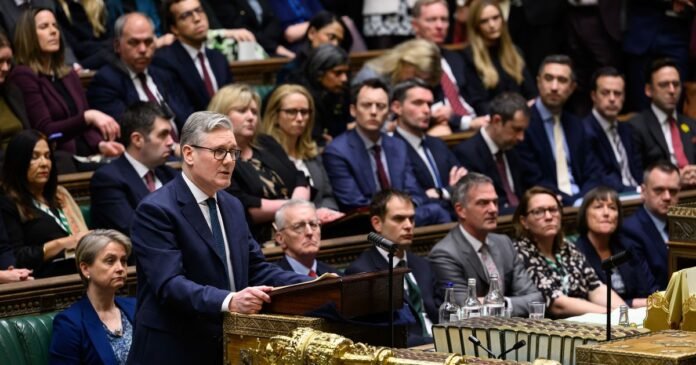

Members of Parliament are set to receive a significant pay increase of nearly £5,000, bringing their annual salaries close to £100,000. The raise, amounting to a 5% hike, will see MPs’ pay for 2026-27 rise to £98,599 from the current £93,904 level. This adjustment, effective from April 1, comprises a 3.5% increment to cover the cost of living and an additional 1.5% “benchmarking adjustment.”
The Independent Parliamentary Standards Authority (IPSA), responsible for determining MPs’ salaries, made the announcement on Monday, considering the challenges faced by MPs in dealing with increased “abuse and intimidation” and a rise in constituency casework.
IPSA emphasized that the salary comparison was made against other public sector roles and parliamentarians in similar democracies globally. The goal is for MPs’ salaries to reach around £110,000 by the end of the current parliament in 2029, with IPSA planning gradual increments over the next three years.
This pay rise for MPs contrasts with below-inflation increases for many public sector workers. While NHS unions expressed discontent over a 3.3% pay rise for health workers next year, MPs’ salaries are determined by IPSA, established in 2009 following the expenses scandal.
Richard Lloyd, Chair of IPSA, noted the evolving role of MPs, citing increased complexity in casework and a rise in abuse and intimidation towards them and their staff. Future pay decisions will consider economic conditions and benchmarks against roles in other democracies.
MPs with additional responsibilities, such as government ministers or the Speaker of the House of Commons, receive separate entitlements beyond their basic salary, managed by other bodies. For instance, Keir Starmer’s annual salary in 2024 exceeded £75,000 in addition to his MP salary.
The 5% pay rise for MPs has sparked debates on the fairness of the increase. Readers are invited to participate in a poll to share their views on this contentious issue.