
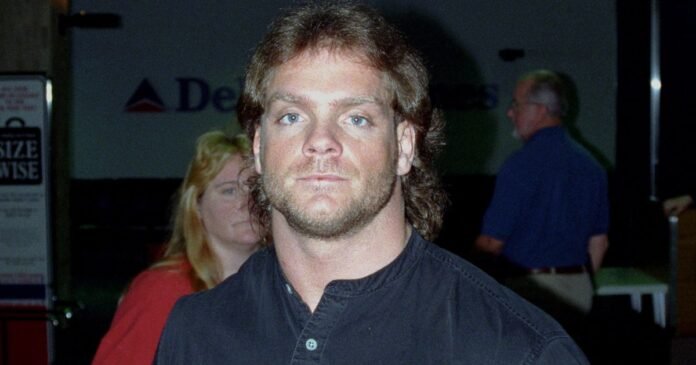

In 2007, the shocking murder-suicide involving WWE star Chris Benoit stunned not only the wrestling community but also the public. The 40-year-old former world champion wrestler was found dead in his Georgia mansion along with his wife, Nancy, 43, and their seven-year-old son, Daniel. Benoit strangled his wife, smothered his child, and then took his own life in a tragic sequence of events.
The incident raised questions among WWE fans and investigators about how a composed and dedicated professional athlete could commit such a heinous act. Experts now suggest that the answer might be found in Benoit’s severely damaged brain. Post-mortem examinations revealed that Benoit suffered from chronic traumatic encephalopathy (CTE), a condition associated with repeated head injuries, making his brain resemble that of an 80-year-old Alzheimer’s patient. CTE can lead to explosive rage, paranoia, depression, and impulsive behavior.
Having spent over 20 years in the wrestling ring enduring severe head trauma, Benoit’s friends noticed significant changes in his behavior, describing him as emotionally distant and unstable. Text messages before the tragedy depicted confusion and detachment, common symptoms of severe brain trauma. However, experts caution that while CTE can affect behavior, it does not automatically induce violence.
Despite millions experiencing head injuries without causing harm, in Benoit’s case, it might have compromised the mental inhibitions that typically prevent impulsive actions. Before the tragic event, peculiar text messages prompted police to Benoit’s home, where they found Nancy’s body showing signs of strangulation, with no signs of a struggle. Toxicology reports indicated alcohol in her system, but the timing of consumption remained uncertain.
Daniel, Benoit’s son, was also found deceased in his room with indications of suffocation and internal throat injuries, suggesting he had been drugged with Xanax. Allegations emerged later that Daniel had Fragile X Syndrome, a genetic disorder possibly contributing to tensions in the family. Investigators noted marks on Daniel’s arms indicating possible administration of human growth hormone by his father, who believed his son was undersized.
Following the tragedy, the wrestling industry faced the harsh reality of head trauma consequences, leading to more stringent concussion protocols and a decrease in risky maneuvers.