
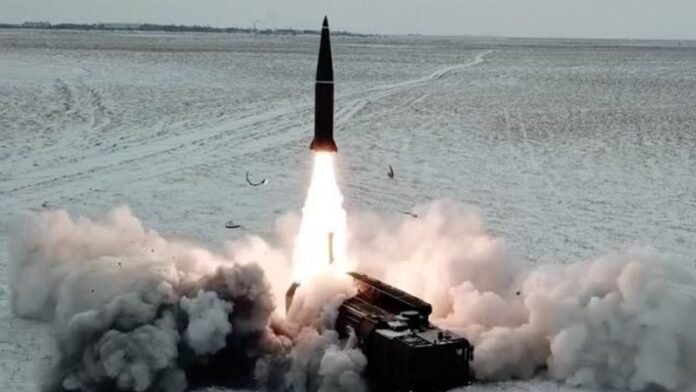

Russia has initiated new assaults on Kyiv overnight following a series of intense bombardments during the ongoing conflict. The Kremlin reportedly utilized the medium-range hypersonic Oreshnik missile on Bila Tserkva, located 56 miles south of the Ukrainian capital. Serhiy Sternenko, advisor to the Kyiv Defence Minister, criticized the missile strike as an attempt to instill fear without actual warheads, emphasizing the urgent need for peace.
NATO fighters were mobilized in Poland in response to the aggressive Russian attacks, involving nuclear-capable bombers, numerous missiles, and hundreds of drones. The retaliation, resulting in casualties among Ukrainians, was believed to be a retaliatory move by Russia following the deaths of students in a Luhansk college dormitory.
Ukraine claimed to have targeted a military facility known for attacks on civilians and infrastructure. Prior warnings from Western intelligence, supported by Volodymyr Zelensky, indicated a potential Oreshnik strike by Russia. The onslaught struck over 40 locations, including residential buildings and a shopping center in Kyiv.
The attacks resulted in fatalities and injuries, with children among the wounded. Poland responded by activating French air force planes to counter the escalation. Volodymyr Zelensky had been forewarned about the impending threat, emphasizing the readiness and actions taken by the Ukrainian military.
The Russian strikes were viewed as a form of retribution for alleged Ukrainian actions in the Luhansk region, where students were reportedly targeted. The victims, including young women, were identified, underscoring the tragic consequences of the conflict. Despite the ongoing hostilities, efforts to de-escalate and prioritize peace were emphasized by various parties involved.