
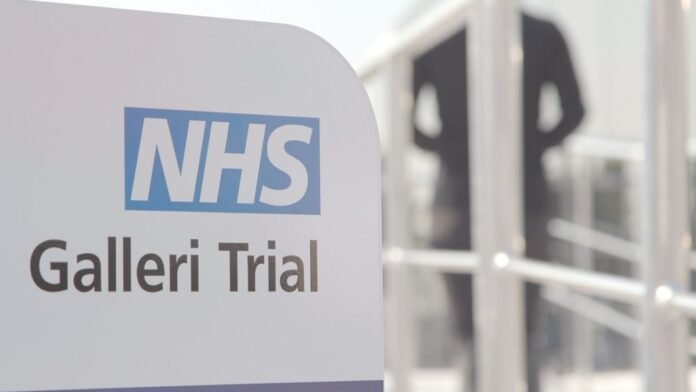

A highly anticipated cancer blood test hailed as a breakthrough for early detection on the NHS has faced setbacks following a trial that fell short of its primary objective. The innovative multi-cancer blood test, known as the Galleri test, aimed to identify cancerous DNA fragments in the blood before symptoms manifest, potentially reducing late-stage diagnoses. Conducted over three years with over 142,000 participants aged 50 to 77, the test did not meet the target of decreasing stage three and four cancer diagnoses as intended, despite a notable decrease in stage four cases.
Although the trial did not achieve its main goal, there were positive outcomes observed. The Galleri test, developed by GRAIL, a US biotech company, is a Multi-Cancer Early Detection (MCED) test capable of screening for more than 50 cancer types from a single blood sample, often before symptoms are noticeable. While the overall trial results were mixed, with an increase in stage three diagnoses, researchers indicated that some stage four cancers were identified at earlier stages, potentially contributing to the rise in stage three cases.
Feedback from medical experts at the American Society of Clinical Oncology’s annual conference in Chicago highlighted the challenges faced in gaining NHS approval based on the trial data. Professor Richard Houlston of The Institute of Cancer Research cautioned against prematurely emphasizing positive indicators over the primary goal achievement. He stressed the necessity of long-term survival rate studies for a more comprehensive evaluation of the test’s efficacy, acknowledging the time-consuming nature of such trials and the risk of technological advancements rendering the test outdated.
Despite the trial outcomes, Professor Peter Johnson, national clinical director for cancer at NHS England, reiterated the importance of early cancer detection in line with the National Cancer Plan. The NHS remains committed to exploring opportunities for earlier cancer detection to improve patient outcomes. Detailed analysis of the trial data will inform future decisions regarding the potential adoption of the Galleri test within the NHS.