
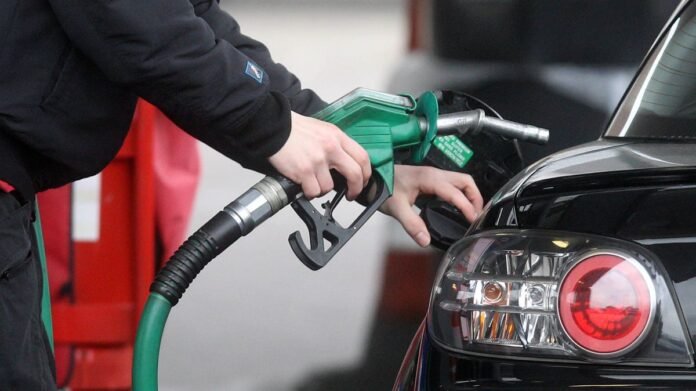

Petrol stations have been instructed to quickly transfer fuel cost reductions to numerous motorists who have been enduring high expenses at the pump. Rising oil prices due to the Middle East conflict have burdened drivers, with concerns that the recent drop in oil prices has not been fully reflected in fuel prices.
The Competition and Markets Authority’s latest market analysis revealed that retailers did not adjust pricing practices during the crisis. It was found that the majority of the pump price increase in March and April was driven by higher wholesale prices. Despite this, profit margins for fuel at forecourt owners have remained historically high and even increased slightly in April.
Encouraging consumers to utilize the fuel finder tool to locate the most affordable pump prices nearby, the regulator highlighted potential savings of around £9 per tank. Sarah Cardell, CEO of the CMA, emphasized the financial strain on drivers caused by pump prices and expressed concern about inadequate competition leading to higher costs for consumers.
While oil prices surged following Israel’s military action in Lebanon, reaching $93 a barrel, the recent price drop below $100 could potentially lead to lower fuel prices for consumers. Petrol prices peaked at 159.53p per liter last week, with diesel prices dropping to 183.75p per liter from a peak of 191.54p on April 15.
RAC’s head of policy, Simon Williams, noted the positive impact of lower oil prices on consumers and urged retailers to reflect this in lower forecourt prices. In the meantime, drivers are advised to use tools like the myRAC app to secure the best fuel prices.
The AA’s road fuel prices spokesman, Luke Bosdet, highlighted the need for scrutiny of pricing behaviors at fuel pumps due to persistently high fuel margins. This underscores the importance of monitoring and ensuring fair pricing practices in the sector to benefit consumers.