
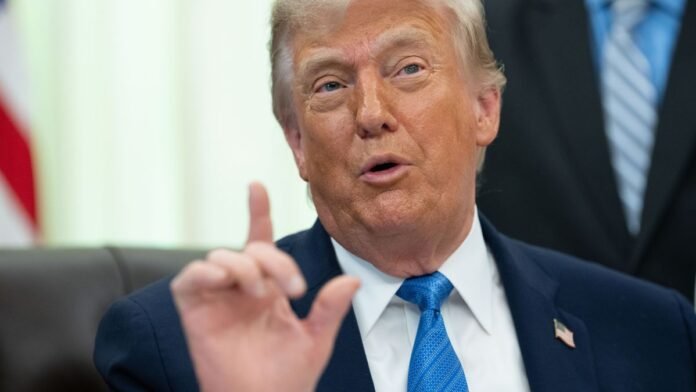

A peace agreement between the US and Iran, promising to open the Strait of Hormuz to all and impose restrictions on Iran’s nuclear program, is set to be signed soon, as announced by President Donald Trump. Despite Trump’s statement, Iranian Foreign Ministry spokesman Esmaeil Baghaei contradicted this by indicating a delay due to US inconsistencies, urging caution on Iran’s part.
Emphasizing the need for a swift resolution, Trump warned of potential alternatives if complications arise during the process. Meanwhile, Pakistani Prime Minister Shehbaz Sharif expressed optimism about an imminent peace deal. Israeli President Isaac Herzog extended birthday wishes to Trump, praising his efforts against Iran.
In a critical response, Israel’s opposition leader criticized Prime Minister Benjamin Netanyahu over the conflict with Iran, labeling it a failure. Tensions escalated as the IDF intercepted a rocket from Hezbollah targeted at Israeli troops in southern Lebanon, leading to further clashes between the two sides.
Updates from various sources indicate ongoing negotiations and differing perspectives on the peace deal’s timing and terms. While the US administration remains hopeful for a swift resolution, Iranian officials stress the need for caution and clarity in the agreement.
In parallel developments, discussions surrounding the reopening of the vital Strait of Hormuz and the dismantling of Iran’s nuclear program continue to shape the negotiations. Amidst uncertainties and conflicting statements, the international community closely monitors the evolving situation, poised for potential breakthroughs or setbacks in the conflict resolution process.