

Israeli military actions in the Gaza Strip have resulted in the deaths of 1,005 Palestinians over the past eight months since a ceasefire agreement was reached between Israel and the militant group Hamas, as reported by the Gaza Health Ministry on Wednesday. The region has witnessed frequent attacks, including airstrikes, shelling, and gunfire along the border separating Israeli and Palestinian-controlled territories. The most recent casualties occurred following a series of Israeli drone strikes in central Gaza and Gaza City over multiple days.
The ceasefire, established in January after extensive mediation efforts, aimed to halt over a year of conflict that began with a Hamas assault on southern Israel on October 7, 2023, resulting in approximately 1,200 fatalities and numerous hostages. Israeli authorities have noted that individuals taken captive during the October 7 incident are still being held in Gaza, with their release being a crucial issue in the ceasefire negotiations facilitated by Qatar, Egypt, and the United States.
While the agreement has reduced large-scale military operations significantly, violence persists across Gaza. Israeli forces continue to conduct targeted strikes against Hamas members and military infrastructure, while Palestinian officials and humanitarian organizations report ongoing civilian casualties.
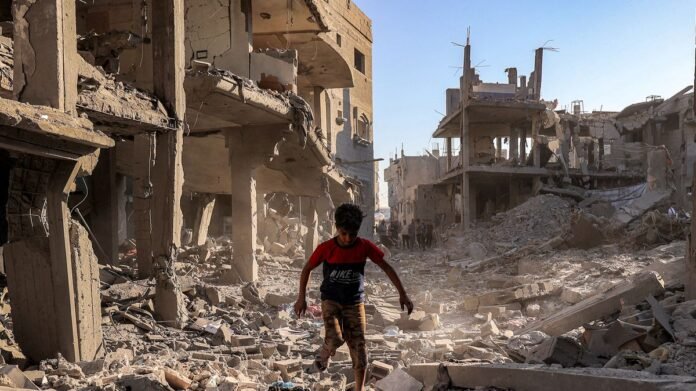
The conflict has left much of the region in ruins, displacing a majority of Gaza’s population and causing extensive damage to residences, medical facilities, schools, and vital infrastructure. International aid agencies have repeatedly raised concerns about deteriorating humanitarian conditions, including shortages of food, clean water, and medical provisions for many residents.
Efforts to establish a lasting ceasefire and secure the release of remaining hostages have encountered obstacles, leading to intermittent progress and repeated standstills in negotiations.
According to the Gaza Health Ministry, the death toll from the Israel-Hamas conflict in Gaza has now exceeded 73,000. While the ministry’s tally does not differentiate between civilians and combatants, it is compiled by medical professionals and is generally considered reliable by the United Nations and other global bodies.