
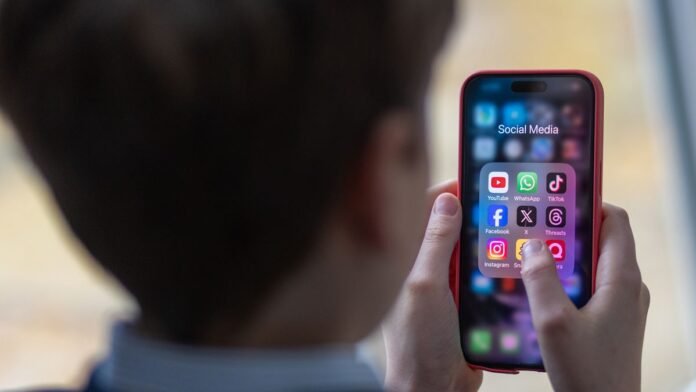

A recent study indicates that despite a social media ban for under-16s in Australia, the majority of young people are still accessing these platforms. Researchers have raised concerns about the effectiveness of age verification checks and noted a lack of immediate reduction in underage social media use. The study, conducted by the University of Newcastle in Australia, revealed that 85% of participants under 16 admitted to using social media platforms covered by the ban, primarily through their own accounts.
The study, published in The BMJ, involved surveying 408 children aged 12 to 17 before and after the ban was implemented. It found that two-thirds encountered age verification measures, with some resorting to self-declared ages, fake accounts, or private browsing to bypass restrictions. The report highlighted challenges in enforcing the ban and noted significant circumvention of the regulations.
While the initial impact of the ban remains inconclusive, researchers emphasized the need for long-term strategies to promote compliance and educate young users. Another study by the Molly Rose Foundation revealed that a considerable number of Australian adolescents still have access to restricted social media accounts, despite the ban.
In response to these findings, the chief executive of the Molly Rose Foundation expressed concerns about the ineffectiveness of the ban in protecting underage users and called for a more comprehensive approach to online safety. The UK is also considering implementing a similar ban on platforms like Snapchat, TikTok, YouTube, Instagram, and Facebook, with a focus on stronger age verification measures to enhance child protection.
Government officials underscored the importance of proactive measures to safeguard future generations and reshape social norms regarding online behavior. The ongoing debate surrounding social media bans reflects the complex challenges in regulating digital platforms and ensuring the well-being of young users.