

The turnover of British Prime Ministers over the past ten years has been driven by significant divisions stemming from Brexit and leaders assuming office without clear strategies, according to experts.
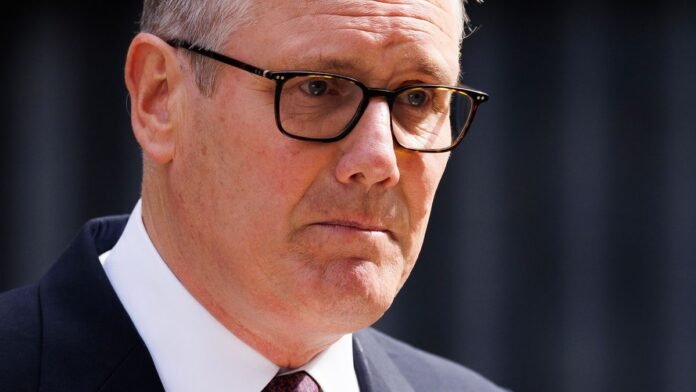
With Keir Starmer’s impending exit from No10, the UK appears poised for its seventh Prime Minister in a decade, potentially being Andy Burnham. Starmer announced his resignation recently, paving the way for the former Greater Manchester Mayor to succeed him unopposed.
This succession follows a period of political upheaval, with Conservative leaders David Cameron, Theresa May, Boris Johnson, and Liz Truss all stepping down prematurely. A recurring theme among many of these leaders was a breakdown in party unity. Brexit played a role in the turmoil as Parliament grappled with the aftermath of the referendum, leading to a reshaping of traditional party lines. Nevertheless, the experts note that the failure to maintain party cohesion was a common thread in the downfall of these leaders.
Sir John Curtice, a polling expert, highlighted the impact of Brexit on the political landscape, emphasizing how the referendum outcome and subsequent events challenged Parliament. However, he underscored that the inability to unify their parties was a key factor contributing to the decline in support for these leaders.
Regarding the recent developments, Hannah White, CEO at the Institute for Government, attributed part of the crisis to successive Prime Ministers lacking a clear vision to address the nation’s challenges upon assuming office. She noted that incoming leaders often had insufficient time to prepare adequately, resulting in a lack of well-defined policies and plans for change.
Former Tory Justice Secretary Sir Robert Buckland, who served under various Prime Ministers, expressed confidence in the government’s ability to function effectively when ministers have coherent plans. He pointed out the evolving landscape of political communication and the importance of adapting to new media dynamics to succeed in the modern political arena.
In addressing concerns raised by Labour MPs who opposed Starmer’s leadership, the dissatisfaction stemmed from a perceived lack of efforts by the government to connect with the public and garner support for policies. They expressed a desire for policies that prioritize social welfare and equitable distribution of resources, suggesting a shift towards a more conviction-driven leadership under figures like Andy Burnham.
As the UK anticipates potential leadership changes, the focus remains on the need for clear leadership narratives and effective communication strategies to navigate the complex political landscape successfully.