
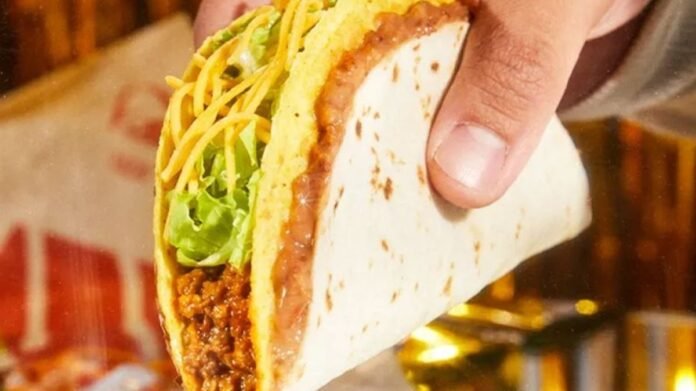

More than 1,600 individuals have been affected by a foodborne illness outbreak associated with Taco Bell. Health authorities in the United States are advising residents in five states to refrain from consuming shredded iceberg lettuce following an outbreak of cyclosporiasis, a disease caused by a parasite typically transmitted through contaminated food or water.
Confirmed cases of infections related to Taco Bell outlets have reached 1,645 across Indiana, Kentucky, Michigan, Ohio, and West Virginia, with 94 individuals requiring hospitalization. The US Food and Drug Administration issued a warning, urging people not to consume food items containing shredded iceberg lettuce from Mexico served at Taco Bell locations in the aforementioned states.
Cyclosporiasis can lead to severe gastrointestinal symptoms such as nausea and diarrhea, with manifestations possibly appearing up to two weeks later. While 1,645 cases have been linked to Taco Bell, nearly 7,000 individuals have been affected by the broader outbreak in the US according to NBC News reports.
Taco Bell has taken proactive measures by voluntarily removing lettuce supplied by one of its vendors in the affected states without disclosing the supplier’s identity. The company stated that based on ongoing discussions with public health officials, it has promptly taken action to eliminate potentially impacted lettuce from the supplier in select states.
Additionally, Taco Bell affirmed that the affected ingredient from their supplier is being permanently removed from their nationwide supply chain and will be replaced within 24 hours in specific states. Although the fast-food chain did not specify the states where the lettuce would be removed from menus, Michigan has reported the highest number of illnesses with over 3,300 cases since the outbreak was first identified in May.
Health experts highlighted the challenges in tracing the parasite, noting the complexity exacerbated by reductions in federal health agency funding. Steven Manderach, executive director of the Association of Food and Drug Officials, compared the difficulty to finding a microscopic portion of a needle in a haystack in an interview with the BBC.