
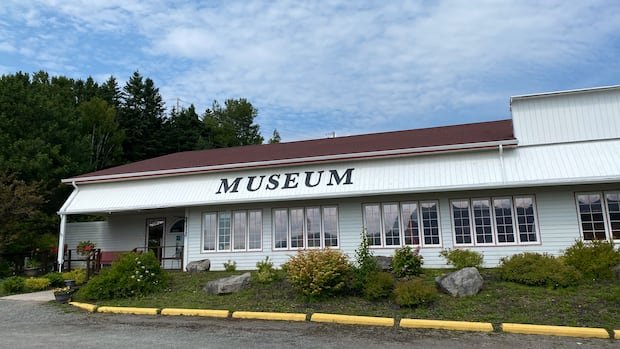

Angie MacIsaac is engaged in a busy day narrating the history of the Canso Causeway to a group of tourists from the United States visiting the Strait Area Museum. Across the rotary in Port Hastings, N.S., an abandoned building that once housed the Visitor Information Centre catches the eye, having been closed in February due to provincial budget cuts.
In response to the closure, MacIsaac and her museum team have initiated a one-year trial project to offer a “community visitor information centre” to tourists arriving in Cape Breton. The aim is to fill the void left by the former centre’s closure and potentially establish the museum as a permanent welcome hub for visitors.
Following the closure announcement, Destination Cape Breton, a tourism advocacy group, rallied the island’s municipalities to fund the reopening of the centre on a limited basis. Nova Scotia Public Works later revealed plans to demolish the former visitor centre building and a nearby gift shop within two years to make room for a new roundabout by 2029.
The lobby of the Strait Area Museum now showcases pamphlets that were previously available at the visitor centre, with the province developing new highway signage to guide tourists. MacIsaac and the Port Hastings Historical Society are providing training to society members and other volunteers to ensure smooth operation, especially during the shoulder tourism season when student staff will finish their duties by the end of August.
MacIsaac believes the museum has a unique opportunity to serve as the primary contact point for Cape Breton visitors, aiming to embody the warm welcome synonymous with the island. While the province is not currently providing financial support for the museum’s new initiative, the historical society is encouraged to seek funding through the province’s Community Visitor Information Centre program.
Local accommodation providers in Cape Breton, like Yvette MacPhee of Ocean View Motels and Chalets in Chéticamp, view the Strait Area Museum’s initiative positively, citing the success of similar community-run visitor centres in other areas. These centres are crucial, especially given the limited cell coverage in Cape Breton, which often leaves tourists searching for accommodations upon arrival, highlighting the importance of accessible visitor services in the region.