
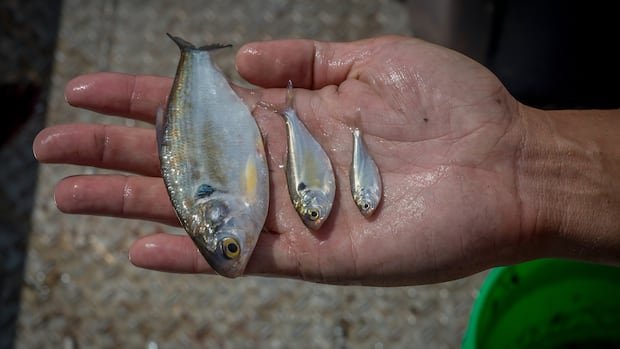

Newly obtained documents shed light on an extraordinary fish event that caused disruptions at Canada’s largest nuclear power plant nearly two years ago. The incident, which involved a massive influx of gizzard shad overwhelming the cooling systems at the Bruce Nuclear Generating Station in Ontario, resulted in the shutdown of one reactor and reduced power at another. The event highlighted the challenges posed by unusual ecological conditions for nuclear plants globally.
The incident, which took place in February 2025, prompted a thorough investigation by Bruce Power, the plant’s operator, and regulatory authorities. The influx of gizzard shad, a cold-sensitive species seeking warm water refuges in winter, overwhelmed the plant’s defenses designed to keep fish out of the cooling water system. The unprecedented volume of fish disrupted operations, leading to concerns about reactor safety.
Experts, including David Novog, a professor specializing in nuclear safety, emphasized the significance of maintaining multiple layers of defense at nuclear plants. While the reactor shutdown was necessary to address the cooling system disruption, there was no immediate risk to safety as the reactors responded as designed to the environmental challenge.
The Canadian Nuclear Safety Commission (CNSC) highlighted the potential consequences of the fish event in a report, warning that it could have resulted in the shutdown of all four units at the plant. The magnitude of the fish event, with an estimated 8.1 million gizzard shad near the plant on a single day, raised concerns about the impact on operations and the local ecosystem.
The incident at Bruce Power reflects a broader trend of environmental conditions affecting nuclear plant operations worldwide. Similar disruptions have been observed in other countries, such as Romania and France, where cooling systems were impacted by external factors like low water levels and jellyfish influxes. As nuclear plants adapt to changing climate conditions, there is a growing emphasis on enhancing monitoring and mitigation measures to prevent future disruptions.
Following the incident, Bruce Power invested in mitigation measures to prevent a recurrence of the fish event. These measures include physical barriers, acoustic deterrents, and advanced monitoring systems to detect and deter large fish populations near the plant. As nuclear plants play a crucial role in providing low-carbon electricity, ensuring operational resilience in the face of environmental challenges remains a priority for the industry.