
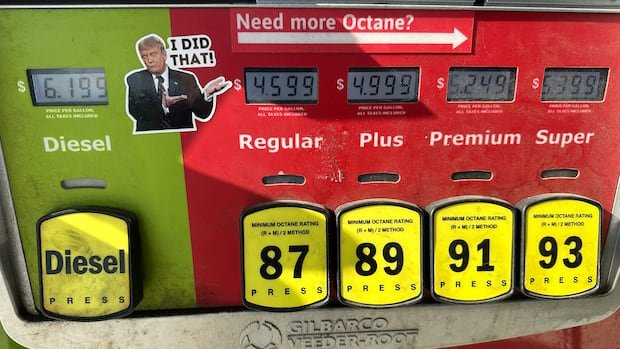

For almost a year, President Trump has been urging voters not to worry about increasing costs. He has dismissed concerns about affordability as a tactic by Democrats, claimed consumer prices decreased during his tenure when they actually rose, and repeatedly stated that gas and diesel prices, which surged after the conflict with Iran, would soon drop. However, various polls show that voters are not convinced by Trump’s assertions, giving him poor ratings on the cost of living.
Recent polls indicate that over 70% of American respondents disapprove of Trump’s handling of inflation. This data does not bode well for Trump and the Republican Party as they strive to retain control of the U.S. Congress in the upcoming midterm elections on November 3, less than three weeks away.
The U.S. Department of Labor reported that the consumer price index rose by 3.7% in September compared to the previous year, mainly driven by increases in fuel and clothing prices. Spencer Kimball, executive director of Emerson College Polling Center in Boston, notes that polling suggests the economy is the primary concern for voters, with the cost of living being the underlying issue.
Kimball highlighted that everyday expenses are mounting, causing people to worry about affordability. He expressed skepticism about quick solutions to rising gas prices and other living costs in the short term. Trump’s recent visits to various states in an effort to bolster Republican candidates are seen as a frantic attempt to secure U.S. Senate seats that were previously considered safe but are now at risk due to cost of living concerns.
Polling analyst Tim Malloy from Quinnipiac University Poll in Connecticut described Trump’s travels as a desperate move to support endangered Republican candidates facing potential losses due to cost of living issues. Malloy emphasized that gas prices are a major worry among voters, with many blaming Trump for failing to fulfill promises made regarding the conflict with Iran.
In a deeply Republican town like Martinsburg, W.Va., residents voiced their struggles with rising prices. Some residents, like Christalyn Levy, mentioned relying on food pantries due to the difficulty of affording groceries after paying rent. Others, like Juliana Kaiser, have adjusted their lifestyles by making their own bread and cutting down on driving to save money, with the looming price hikes influencing their voting decisions in the upcoming midterms.