

A decade has passed since the British public voted in the EU referendum of 2016. Following a contentious campaign, the UK opted to exit the European Union by a narrow margin of 52% to 48%. The aftermath of this decision has significantly influenced the country’s political landscape, leading to the resignation of former Prime Minister David Cameron and shaping the leadership of subsequent PMs, including Theresa May and Boris Johnson, who grappled with securing a departure deal from the EU.
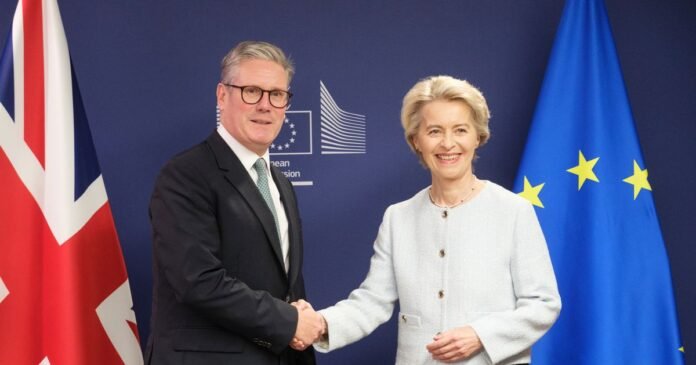
Presently, Keir Starmer is working to mend ties with the EU. During a foreign policy address last year, the Prime Minister emphasized the importance of fostering a beneficial relationship with the EU for the British populace. Starmer acknowledged Brexit as a legitimate democratic outcome but criticized the misleading promises made during the campaign, which have had enduring repercussions.
In a recent development signaling closer collaboration with the EU, the UK government announced its intention to rejoin the Erasmus+ program. This decision will allow British students to pursue academic opportunities at European universities post-Brexit, potentially benefiting over 100,000 individuals by 2027.
Despite efforts towards reconciliation, Brexit remains a divisive issue in the UK. While the Liberal Democrats advocate for stronger ties with the EU and push for a customs union negotiation, there are dissenting voices, such as Nigel Farage, who call for renegotiating the Brexit deal to restrict EU citizens’ access to UK benefits. A recent poll by The Mirror revealed that a majority of respondents would support rejoining the EU in a hypothetical second referendum, with particularly strong backing from younger demographics.
The ongoing debate surrounding Brexit continues to polarize opinions in the UK, with divergent views on the prospect of reintegration. As discussions evolve, public sentiment remains split, prompting reflection on the future direction of the country’s relationship with the EU.