
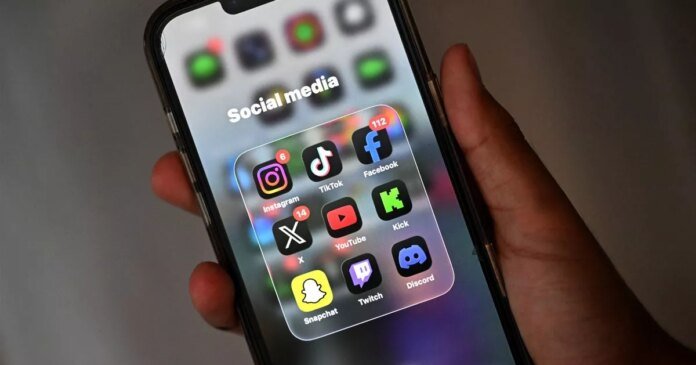

Health Secretary Wes Streeting has called for action to regulate social media use for individuals under 16 years old in response to mounting calls for restrictions. Streeting voiced concerns about the negative effects platforms like Instagram are having on children’s well-being, emphasizing that the rapid advancement of technology has occurred without a full understanding of its consequences.
Streeting’s stance aligns with recent advocacy by a major teaching union, which proposed a ban on social media for minors to enhance academic focus and safeguard mental health. While expressing support for intervention in this domain, Streeting emphasized the importance of considering diverse perspectives on the issue, acknowledging the potential benefits and drawbacks of online connectivity.
The Health Secretary highlighted Prime Minister Boris Johnson’s interest in the topic, noting that Johnson’s parental concerns have fueled a national debate on the regulation of social media for minors. The National Association of Schoolmasters Union of Women Teachers (NASUWT) has urged the UK government to compel tech giants to restrict children’s access to social media platforms, citing evidence of detrimental impacts on behavior, mental health, and exposure to inappropriate content among young people.
In response to the growing calls for action, Technology Secretary Liz Kendall is reportedly contemplating regulatory measures, with a decision expected in the near future. Streeting has engaged prominent figures like author Jonathan Haidt, a proponent of social media restrictions, to provide insights and support the implementation of a ban. Haidt’s research underscores the negative impact of widespread smartphone use on youth mental health, as detailed in his book “Anxious Generation.”
Commending Labour leader Keir Starmer for seeking input from MPs, Streeting stressed the urgency of addressing the challenges posed by unregulated social media. He expressed deep concerns about the adverse effects of social media on young people’s health, education, and overall well-being, including issues such as cognitive development, cyberbullying, body image, grooming, and societal expectations.
As discussions on social media regulation intensify, policymakers are faced with the complex task of balancing the benefits of online connectivity with the potential risks it poses to the younger generation.