
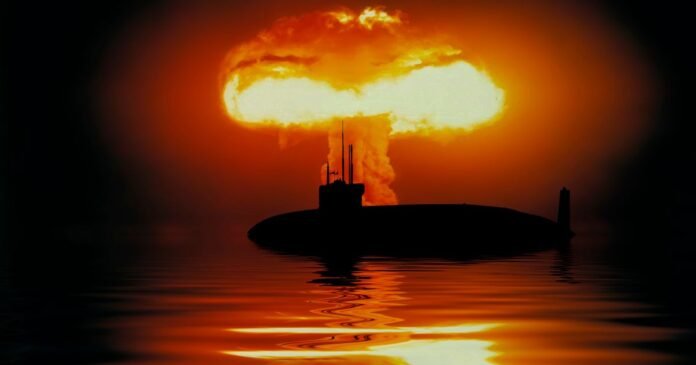

A recent study indicates that one out of every three individuals believes that the world will come to an end in their lifetime. The research reveals that these apocalyptic beliefs are becoming more mainstream and are influencing how people react to global challenges, according to scientists.
Dr. Matthew Billet, the lead author of the study, emphasized the prevalence of belief in the world’s end and its significant impact on individuals’ perceptions and responses to critical global threats. The study, conducted in the United States and Canada, surveyed over 3,400 participants, with nearly a third of the American respondents expressing a belief in an impending apocalypse.
Published in the Journal of Personality and Social Psychology, the findings highlighted various dimensions of how people contemplate the end of the world, including the timing, potential causes, and emotional implications. These beliefs were closely tied to individuals’ attitudes and actions concerning issues like climate change, pandemics, nuclear conflicts, and emerging technologies.
Dr. Billet and his team developed a comprehensive measure of end-of-world beliefs, identifying key factors such as perceived timing, human-induced causes, divine influences, personal control, and emotional outcomes. These beliefs were found to shape diverse responses to societal challenges based on different narratives individuals hold about the apocalypse.
The research also shed light on differences in perspectives across religious groups. Dr. Billet noted that while all participants acknowledged the role of humans in shaping the future of our species, distinct contrasts emerged among religious denominations, underscoring the influence of religion and culture on individuals’ worldviews and outlook on the future.
Participants were also questioned about global existential risks, including economic, environmental, geopolitical, societal, and technological factors. Those who believed in an imminent apocalypse caused by humans tended to perceive higher risks and supported more drastic measures to address threats, whereas those attributing the apocalypse to divine forces were less inclined to endorse preventive actions.
Dr. Billet emphasized the crucial timing of the research, stressing the importance of understanding diverse beliefs for effective communication and policy development amid a world facing significant existential risks. He highlighted the necessity of grasping how different communities interpret threats through their cultural lenses to foster consensus on addressing pressing issues like climate change, AI safety, and pandemic preparedness.