
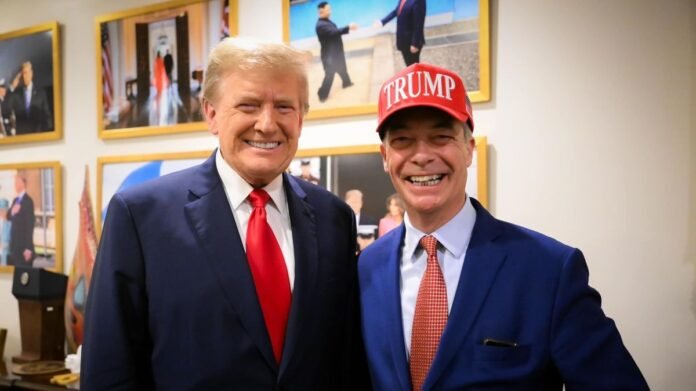

The conflict initiated by Donald Trump in the Middle East has had severe consequences on multiple fronts. Tragic images of bombed schools and numerous casualties paint a grim picture across the region. Not only has the war debilitated the United States and its NATO partners, but it has also hindered the progress towards peace in the Middle East, impacting domestic affairs such as the cost of living.
Britain’s decision to steer clear of the conflict is commendable, contrasting with Nigel Farage’s swift alignment with Trump, only to retract support later. Rachel Reeves has boldly criticized the war and Trump’s actions, expressing concern over the economic repercussions on a global scale, given her role in managing the country’s finances.
The escalating petrol prices and anticipated rise in essential goods costs underscore the potential hardships for individuals already facing financial challenges. While the government has implemented measures like minimum wage hikes and capped energy bills to alleviate burdens, vigilance against corporate exploitation during crises is crucial.
The shifting stances of President Trump and uncertainties surrounding the “Special Relationship” between the UK and the US raise concerns about reliance on American support. Issues like the infiltration of out-of-town drivers in local taxi markets highlight regulatory challenges that demand swift government intervention to safeguard both drivers and passengers.
In a positive turn of events, Sheffield celebrates the prolonged stay of the World Snooker Championships at the iconic Crucible venue, securing its heritage for the next two decades. However, controversies surrounding Peter Mandelson’s appointment emphasize the urgent need for transparent disclosure to maintain public trust in governance.