
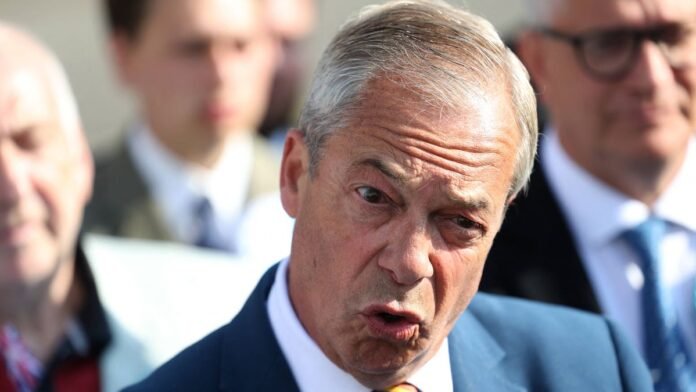

Nigel Farage likely had a restful night’s sleep, gearing up for his routine appearance before the cameras today. With a pint in hand, he is set to assert that Thursday’s vote marked a significant, unstoppable, and transformative moment in British politics.
Farage aims to convince the public that the nation has spoken, and it has spoken in his favor. He seeks validation of his achievements, amplification from broadcasters, and acceptance from the public. However, the Mirror refuses to partake in this narrative today or in the future.
The results undeniably spell disaster for Labour, with Wales lost, fifteen councils surrendered, and nearly 700 seats relinquished, creating a political upheaval across the UK.
Especially in Wales, the damage inflicted on Labour is unprecedented, shaking the party’s longstanding dominance in Welsh politics. Keir Starmer acknowledged the pain of these results, highlighting the impact when trust from supporters is withdrawn.
Reform has clinched nearly 700 seats and secured control of various councils, impacting real people’s lives through crucial decisions on local budgets and services.
Despite Farage’s triumphant declarations, the overall picture does not align entirely with his narrative. Reform did not sweep all councils; many ended the night in a hung state rather than under Reform’s full control. Notably, in Wales, Plaid Cymru emerged as the largest party, challenging Reform’s perceived dominance.
Farage’s claim of a historic result carries weight, yet the practical challenges lie ahead for Reform. Managing tight budgets, addressing community needs, and being accountable to residents will be critical tasks that demand close scrutiny.
The Mirror pledges to monitor Reform’s actions closely, raising pertinent questions on their funding sources, interests in local governance, and the conduct of party members. Recent controversies, including racist remarks and suspensions, underscore the need for transparency and accountability within Reform.
While acknowledging Labour’s shortcomings, the article emphasizes the justified anger felt by many voters, leading to a significant shift in the political landscape. The country’s response was not a wholesale endorsement of Farage but a reflection of long-standing discontent and frustration.
The future course of events hinges on the wisdom and discernment of leaders like Keir Starmer in understanding and addressing the electorate’s sentiments and demands.