
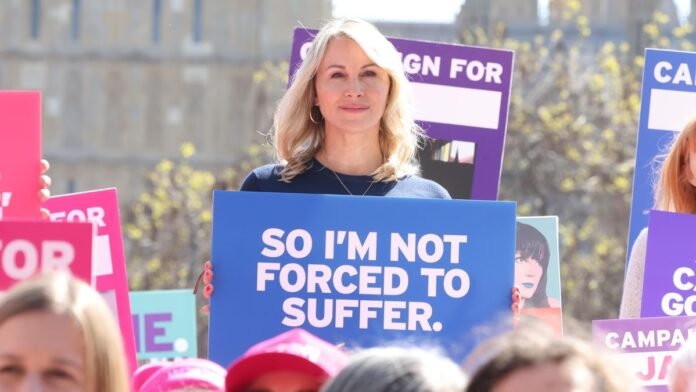

A highly debated effort to legalize assisted dying faced a setback as a contentious Bill was defeated in the House of Lords. Despite receiving support from Members of Parliament on two occasions, the proposed legislation ran out of time, leaving campaigners puzzled.
Advocates expressed dismay as the Bill, put forth by Labour MP Kim Leadbeater, was discussed in its final session in the upper house. The Bill aimed to allow terminally ill individuals with less than six months to live the option to end their lives with medical assistance. However, due to time constraints before the close of the Parliamentary session, peers obstructed the law change by introducing numerous amendments, preventing its passage within the timeframe.
Although the proposed Bill faltered, proponents have affirmed their determination to continue their efforts. Following the failure of the Terminally Ill Adults (End of Life) Bill, Lord Charlie Falconer, the bill’s sponsor in the Lords, expressed disappointment, citing a lack of cooperation among a minority group that hindered the legislative process.
Supporters of the Bill, who felt let down by the outcome, criticized the peers for their handling of the matter, noting the distress experienced by terminally ill individuals and their families. While proponents argued that the Bill would have provided a humane and painless end of life option, opponents raised concerns about potential coercion and the need for robust safeguards.
Baroness Tanni Grey-Thompson, a Paralympian, highlighted perceived shortcomings in the Bill, attributing its failure to gaps in the legislation and misconceptions about its implications. Lord Falconer emphasized the persistent nature of the issue, urging Parliament to reach a resolution, with the decision now resting with the House of Commons.
The proposed legislation would have allowed terminally ill adults in England and Wales with a prognosis of fewer than six months to seek assisted death, subject to approval from two doctors and an expert panel. The Government maintained a neutral stance on the matter, with MPs voting based on personal convictions rather than party affiliations.
Notably, Keir Starmer supported the Bill, while Conservative leader Kemi Badenoch opposed it.