
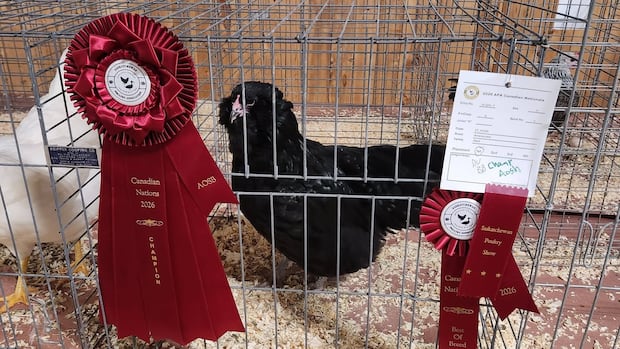

The presence of avian influenza has been confirmed in three flocks across Manitoba and Alberta, following an outbreak linked to a national poultry event in Saskatchewan earlier this month, as reported by the Canadian Food Inspection Agency to CBC News.
The Prairie provinces have recorded three instances of highly pathogenic avian influenza (HPAI), and according to the CFIA, “more cases may be identified as the investigation into the disease continues.”
The agency urges individuals who either brought or took birds home from the event to reach out to them immediately.
An organizer of the show indicated that the outbreak has severely impacted breeders.
Rob McCulloch, who assisted in organizing the Canadian National Poultry Show on November 7 in Moose Jaw through the Saskatchewan Poultry Association, remarked, “It’s like the opposite of hitting the jackpot. You never see it coming, but it can strike from anywhere.”
-
Chilliwack poultry facility reports 1st case of avian flu in B.C. this season
-
B.C. monitoring for avian flu amid rising reports of dying wild birds
McCulloch shared that he knows of breeders who have had to cull 500 to 700 birds, and he himself had to eliminate his flock of 40 after dedicating a decade to developing that breed.
“It’s incredibly disheartening. I’ve even started a private chat group for those involved to support one another,” he noted.
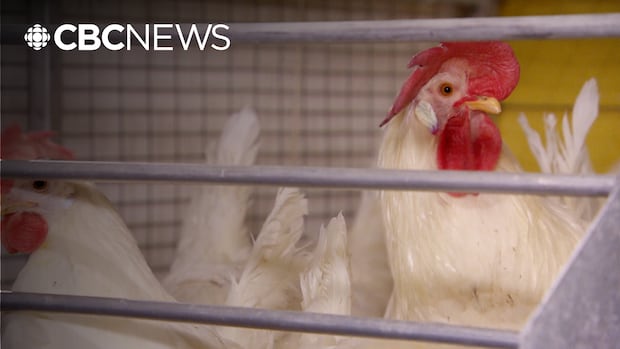
A regulator has identified bird flu in Alberta, Saskatchewan and Manitoba connected to the Canadian National Poultry Show held earlier this month in Moose Jaw, Sask.
McCulloch expressed that he has never faced an outbreak of bird flu during any show he has organized.
Individuals who did not transport birds but have their own flocks at home should keep an eye out for any signs of illness and reach out to the CFIA if they notice anything unusual, according to the letter.
The statement emphasizes that “maintaining year-round biosecurity is crucial, although the risk increases during the fall and spring migrations of wild birds.”
Signs of HPAI may manifest as lethargy in birds, a refusal to eat, or respiratory issues. There is also a risk of mortality.