
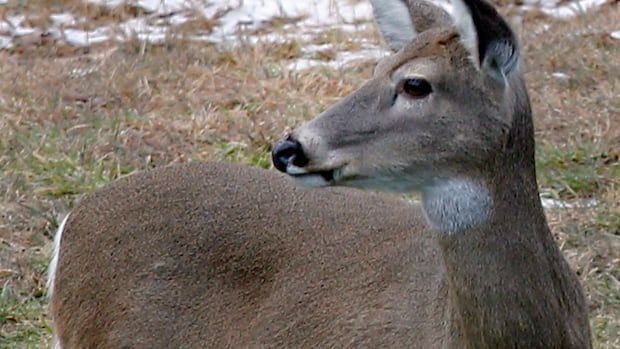

The Yaq̓it ʔa·knuqⱡi’it First Nation is urging hunters to honor wildlife and adhere to legal hunting regulations after uncovering multiple cases of suspected poaching and careless hunting practices this autumn.
“I am deeply troubled by the number of animals that have been left without their meat being properly utilized,” stated Tyler Phillips, the director of lands and resources for the Yaq̓it ʔa·knuqⱡi’it First Nation.
Phillips, along with the Yaq̓it ʔa·knuqⱡi’it First Nation, reported an uptick in suspected poaching and illegal hunting activities both within and around the nation’s reserve located in the East Kootenay region.
“We are aware that some individuals accessing the reservation are not members of our community,” noted Phillips, addressing the issue of trespassers. Hunting is strictly prohibited on Yaq̓it ʔa·knuqⱡi’it reserve lands for anyone other than the nation’s members, unless specifically authorized.
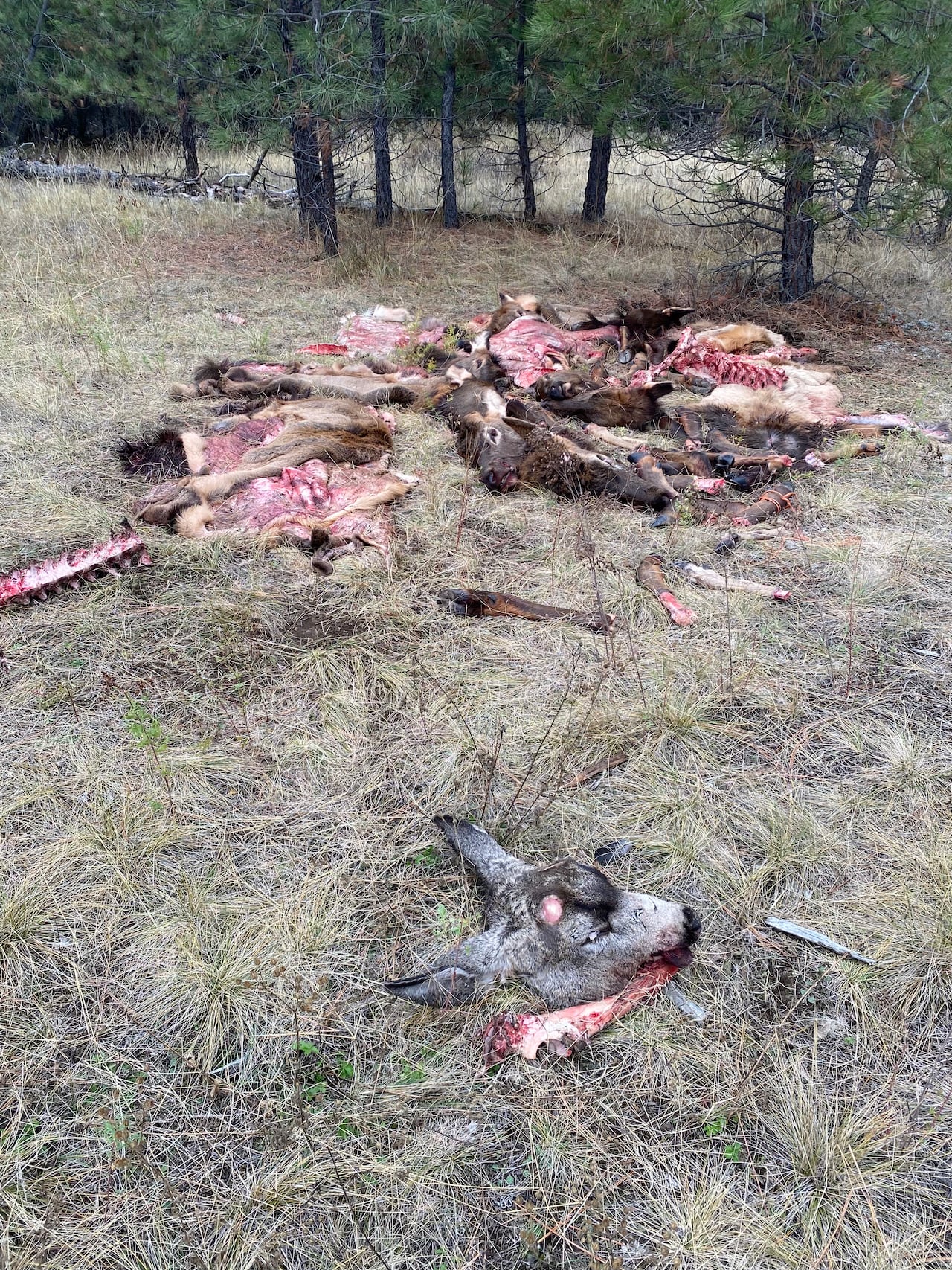
An increase in suspected poaching and abandoned animal remains has been noted in the East Kootenay area, according to the Yaq̓it ʔa·knuqⱡi’it First Nation. (Tyler Phillips)
He reported that nine instances of abandoned elk and deer carcasses have been recorded on the reserve this hunting season. The carcasses were found by the Yaq̓it ʔa·knuqⱡi’it Guardian Team, which monitors the area for environmental violations.
Phillips indicated that the guardian team suspects the offenders discarded the animals because they were smaller than the requirements for their tags.
“To avoid penalties, they’ve simply left the animal behind,” Phillips explained.
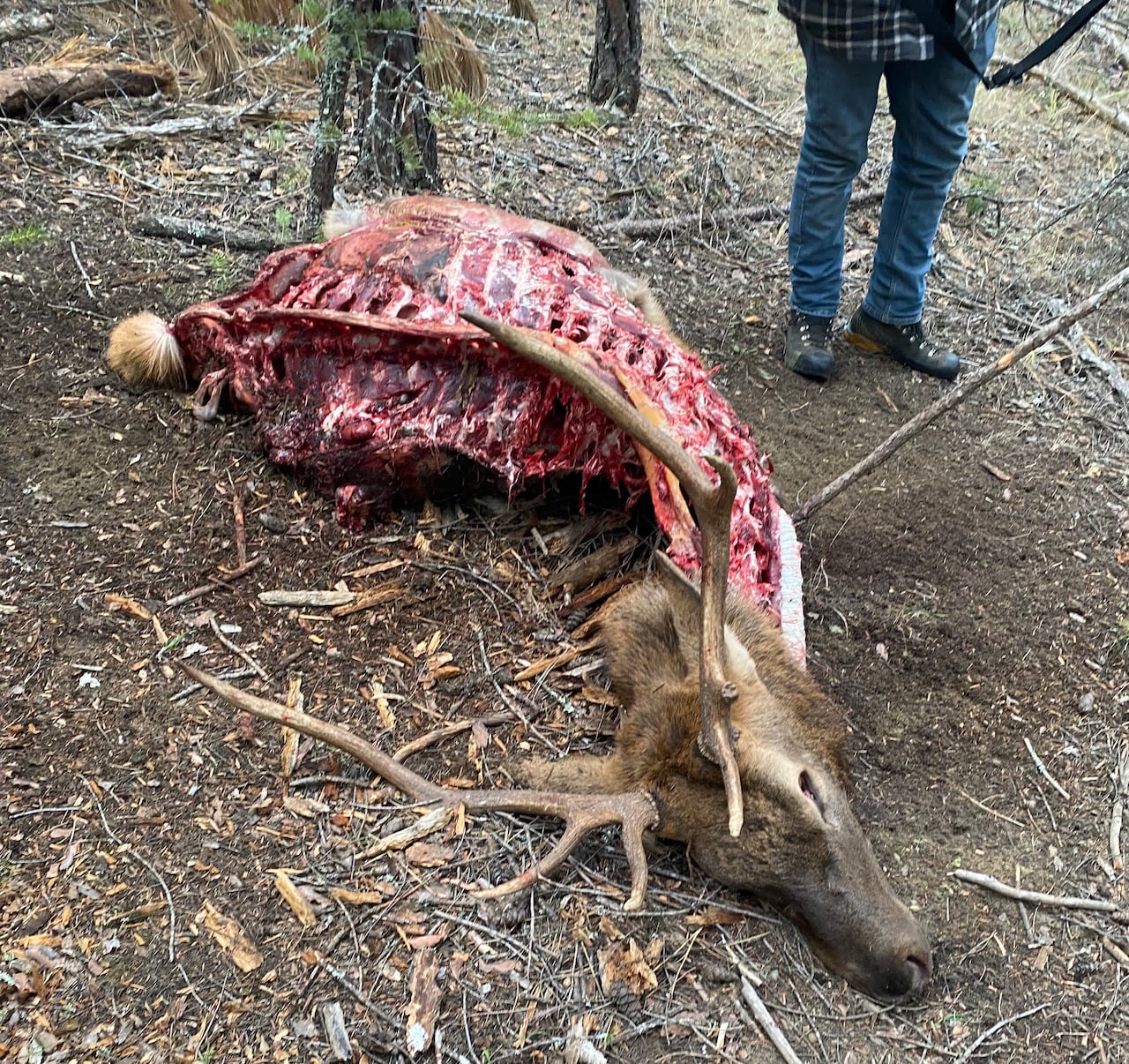
The Yaq̓it ʔa·knuqⱡi’it First Nation asserts that these actions are illegal and raise significant concerns regarding unlawful harvesting, wastage of wildlife, and improper disposal methods. (Tyler Philips)
This fall, while conducting patrols, the guardian team also discovered several cases of improperly discarded animal body parts near the reserve, which poses a substantial issue in an area like East Kootenay that is a chronic wasting disease-control zone.
“This is certainly a significant concern. It is crucial that every animal eligible for testing is submitted so we can monitor the disease,” Phillips emphasized.
He noted that leaving behind deer and elk heads not only obstructs testing efforts but also serves as a potential means for the spread of chronic wasting disease.
The guardian team has since broadened its patrol area to look for hunters, poachers, and any environmental damage, according to Phillips.
Phillips mentioned that the Yaq̓it ʔa·knuqⱡi’it team is collaborating with the B.C. Conservation Officer Service (BCCOS) and the B.C. Wildlife Federation to identify and charge those responsible for these violations.
Jesse Zeman, executive director of the B.C. Wildlife Federation, remarked that these disrespectful actions are illegal and stem from poaching or unlicensed hunting.
“This indicates a complete disregard for hunting regulations, wildlife, and rules,” he stated.
Zeman specifically pointed out that elk and deer heads were not removed for mandatory testing, which is required in this region.
He also mentioned that some animals that were shot do not meet the size and antler criteria for the tags issued this year.
“Such conduct is extreme,” Zeman commented regarding the offences.
He added that the BCCOS can impose charges on those responsible, with penalties that may include fines, revocation of licenses, and imprisonment if they are apprehended. Zeman noted that the B.C. Wildlife Federation offers rewards of up to $2,000 for tips leading to the capture of poachers or unlawful hunters resulting in a conviction.
Phillips encouraged all individuals, including non-hunters, to contribute by reporting any suspicious activities.
“I urge all hunters to adhere to the regulations set forth by the province and to engage in respectful harvesting of wildlife in this area. I also ask the public to report anyone they observe acting outside the law,” Phillips concluded.