

Siegfried Sassoon, renowned for his poignant poetry capturing the harrowing realities of the First World War trenches, bravely shared stories that many were hesitant to acknowledge at the time. Despite the enduring relevance of his words a century later, the personal tale of this soldier-poet has often been overlooked.
A new biopic titled Benediction, written and directed by Terence Davies, sheds light on the life of Sassoon. The film, set for release on Friday, features Peter Capaldi as Sassoon in his later years and Jack Lowden portraying the poet in his youth.
Born into privilege in 1886, Sassoon abandoned his studies at Cambridge University to pursue a writing career. After initial struggles, his breakthrough came with the publication of The Daffodil Murderer in 1913, just before the outbreak of the First World War.
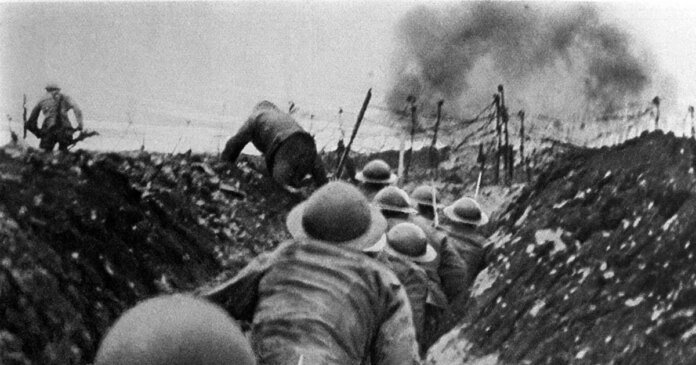
Joining the Royal Welch Fusiliers in 1915, Sassoon earned the nickname “Mad Jack” for his daring acts of heroism in the trenches, including the solo capture of a German trench. Despite receiving the Military Cross for his bravery, the horrors of war depicted in his poetry haunted him.
Sassoon’s candid verses, like “Counter-Attack,” vividly portrayed the grim realities of conflict and garnered widespread acclaim. His disillusionment with the war culminated in a public outcry against its continuation, leading to his hospitalization for “shell shock.”
At Craiglockhart Military Hospital, Sassoon crossed paths with poet Wilfred Owen, forming a bond that influenced Owen’s own work. Despite a turbulent personal life marked by failed relationships, Sassoon’s legacy endures as a poignant testimony to the toll of war on humanity.
The film Benediction offers a timely reflection on Sassoon’s legacy as a trailblazer in confronting the human cost of war. His poignant verses continue to resonate with modern audiences, serving as a timeless reminder of the sacrifices made in times of conflict.