

Expect to hear a lot about Britain’s return to the 1970s this summer. The current heatwave has sparked nostalgia for the scorching summer of 1976, with vivid memories of children riding Chopper bikes over dried-up rivers and sunburnt adults lining up at standpipes for water.
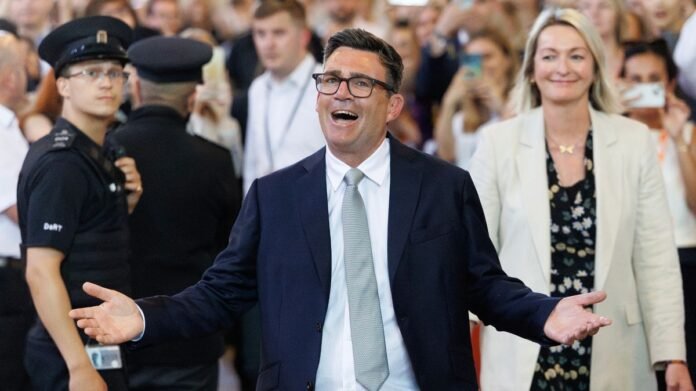
As Andy Burnham gains momentum towards becoming the Prime Minister, critics warn of a return to the tumultuous 1970s era marked by three-day work weeks, unburied bodies, and the use of homing pigeons for communication due to lengthy phone installation waits.
The political landscape is likened to a journey back to the challenging times of the 1970s. Despite the cultural highlights of that era, such as music from Bowie and The Clash, iconic movies like The Godfather and Taxi Driver, and affordable football tickets, concerns are raised about potential retrograde political shifts.
Critics like Tim Martin of Wetherspoons and Sir Rocco Forte express apprehension about Burnham’s policies mirroring past socialist approaches, cautioning against a resurgence of closed shops and labor strikes. While Tony Blair joins the chorus of skepticism, warning against a return to the troubled 1970s, others point out Burnham’s pragmatic choices in his team selection.
The debate revolves around whether Burnham aims to reinstate some positive aspects of the 1970s, emphasizing community values, a robust NHS, affordable housing, enhanced workers’ rights, and economic equality across regions. The discussion reflects a broader ideological clash between preserving past achievements and advancing contemporary socio-economic models.
Despite differing opinions, the underlying sentiment is a desire for progress while acknowledging the value of historical successes. Burnham’s potential to address societal concerns without regressing to outdated paradigms remains a focal point in the ongoing political discourse.
Save on your shopping with exclusive discount codes!