
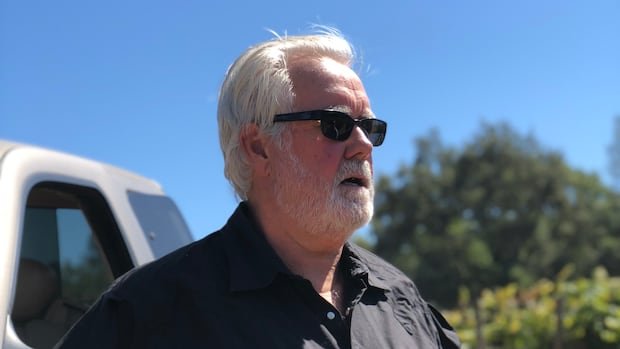

Bill Easton, a winemaker from California’s Sierra Foothills, used to have regular shipments of Syrah going to Montreal every six weeks. However, since Quebec ceased selling American alcohol last year, Easton now pays $1,200 monthly to store his wine in a temperature-controlled facility. He expressed frustration at being entangled in international trade disputes, labeling it as detrimental to his business.
Canadian provinces halted the distribution of U.S. alcohol due to tariffs imposed by President Donald Trump. Prime Minister Mark Carney urged provinces to reconsider this ban to avert new tariffs on Canadian goods. While some premiers expressed willingness to comply, others remained cautious, wary of losing leverage in trade negotiations with the U.S.
Despite the potential lifting of the ban, Manitoba Premier Wab Kinew warned against purchasing U.S. alcohol, emphasizing the unpredictability of trade relations with the current U.S. administration. The absence of American spirits on Canadian shelves has been a sore point for Washington, with Trump citing it as a key issue behind tariff threats.
The Oregon Wine Growers Association and other industry players emphasized the importance of trust-building and long-term stability in trade relationships. Meanwhile, a significant proportion of Canadians expressed reluctance to revert to buying American brands, citing loyalty to Canadian products or personal boycotts.
Trade data revealed a substantial decline in U.S. wine exports to Canada, impacting American wineries significantly. The Distilled Spirits Council of the United States reported a sharp drop in bourbon exports to Canada, urging a negotiated solution to resume normal trade relations and remove tariff barriers.
For Bill Easton and many other affected businesses, the ban has resulted in substantial financial losses. Despite hopes for a resolution, the uncertainty surrounding trade policies has left them uncertain about the future of their trade relations with Canada.