
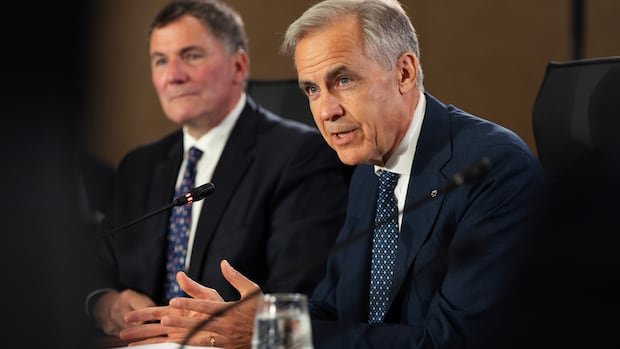

The Canadian government is gearing up to address certain U.S. requests, such as lifting restrictions on American alcohol sales, in return for tariff relief as trade discussions intensify before the upcoming tariff deadline, sources revealed. President Trump has threatened to impose a new 50 percent tariff on numerous Canadian imports by August 19, citing concerns about provincial alcohol bans, dairy quotas, and automotive tariffs.
Reports from industry sources familiar with the negotiations indicate that Canada is open to making concessions on these issues. Potential offerings include ending alcohol bans, considering the removal of retaliatory tariffs on U.S. vehicles, and exploring adjustments in the dairy sector. The specifics of the proposed changes in the dairy industry were not disclosed.
In return for these concessions, Canada is seeking the withdrawal of the planned 50 percent tariffs, relief from sector-specific tariffs on items like steel and aluminum, and a joint announcement to resume talks on the Canada-United States-Mexico Agreement (CUSMA) in the fall.
Trump’s tariff warning stemmed from U.S. concerns over Canada’s management of tariff-rate quotas for American dairy products, arguing that the approach differs from that of Europe. Efforts are also underway to reduce sectoral tariffs on products such as steel, aluminum, lumber, and automobiles, which have been in effect since last year. However, American negotiators have indicated that these tariffs may not be completely lifted.
To maintain confidentiality, the sources requested anonymity when discussing sensitive negotiation details. Following a meeting in Washington between Canada-U.S. Trade Minister Dominic LeBlanc, Canada’s chief trade negotiator Janice Charette, and U.S. Trade Representative Jamieson Greer, LeBlanc described the meeting as “constructive and detailed.”
With the looming August 19 deadline, Canadian officials have emphasized to their American counterparts the critical nature of this date, highlighting that failure to reach an agreement could hinder further discussions. Daily meetings at various levels are scheduled to take place leading up to the deadline.
The dispute over alcohol bans dates back to a period when provincial governments removed American alcohol from liquor store shelves, causing a significant decline in U.S. alcohol exports to Canada. Despite this being a recent point of contention, several premiers adamantly opposed restocking American alcohol.
Prime Minister Mark Carney and provincial leaders have been engaged in discussions on potential resolutions to the trade disputes, with Carney pushing for a comprehensive deal that addresses strategic sectors like the automotive industry. Despite recent comments from Trump criticizing Canada’s trade practices, Carney remains focused on defending Canadian interests. Conservative Leader Pierre Poilievre has urged Carney to prioritize achieving tangible results in the negotiations.