
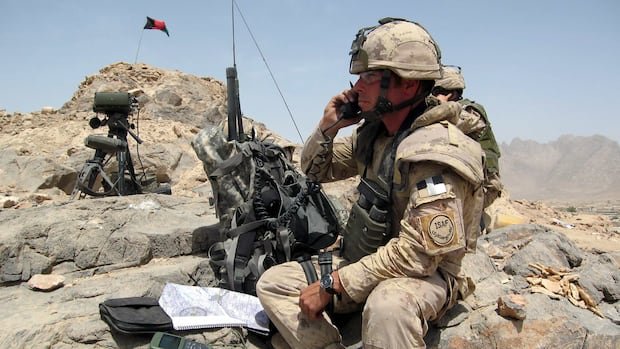

Former Canadian corporal Bruce Moncur vividly remembers the ominous green flare that signaled trouble as his unit crossed the Arghandab River in Afghanistan. Recognizing that the green flare belonged to the Taliban, Moncur realized they had walked into a trap.
The incident marked the beginning of Operation Medusa, a fierce battle in Kandahar involving Canadian troops facing a three-sided ambush by the Taliban. The operation commenced on September 2, 2006, with intense artillery and air bombardment before Moncur’s unit encountered a well-entrenched enemy armed with machine guns, rocket-propelled grenades, and small arms.
Over 2,000 NATO troops, including more than 1,000 Canadians, engaged in the battle alongside Afghan and allied forces in what became the largest confrontation for Canadian troops since the Korean War. The insurgents, estimated to be around 1,000 strong, surprised the Canadians with their tenacity and combat skills.
Following a five-hour firefight, four Canadian soldiers lost their lives, and 16 others were wounded before a retreat order was issued. Moncur’s unit, Charles Company, 1st Battalion Royal Canadian Regiment (1RCR), had been lured into the Taliban ambush while advancing towards their target, a schoolhouse occupied by the insurgents.
The battle took a tragic turn when friendly fire from an American A-10 aircraft struck Canadian positions, resulting in casualties, including Moncur who suffered a severe head injury. Despite the chaos and adversity, the Canadians regrouped and redirected their strategy, eventually prevailing in the grueling two-week-long operation that saw significant insurgent casualties.
The operation not only marked a military turning point but also a political awakening for the Afghan people, as they witnessed the determination and sacrifice of their international allies. Operation Medusa forced the Taliban to reassess their tactics, shifting from direct confrontation to guerrilla tactics involving ambushes and improvised explosives.