

Skydance-owned Paramount has successfully completed the acquisition of Warner Bros. Discovery for $81 billion in the United States. The merger has given rise to a new entertainment powerhouse under the name “Skydance.” This union combines two of the oldest film studios in America, bringing together a diverse portfolio of content that includes iconic titles like “Harry Potter,” “Sinners,” as well as popular networks such as CNN, alongside platforms like HBO Max and Paramount+.
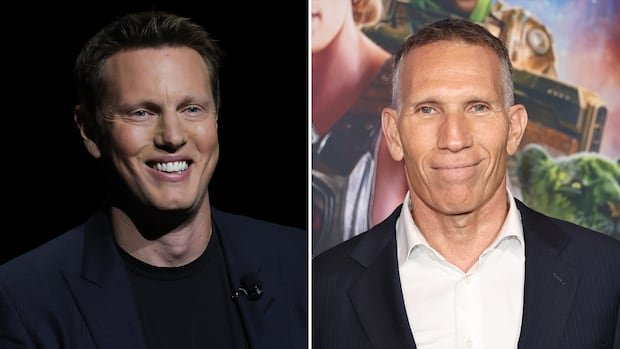
Billionaire David Ellison, along with new co-CEO Ynon Kreiz, now oversees this consolidated entity, consolidating power in an industry dominated by a few major players. Skydance’s previous acquisition of Paramount for $8 billion paved the way for the move to acquire Warner, a deal valued at nearly $111 billion, including assumed debt.
David Ellison expressed his excitement about the historic milestone, stating, “Today is a historic day, not just for Skydance but for our entire industry. We couldn’t be more excited to get to work.”
The journey leading to this significant merger was marked by pivotal moments, including a competitive bidding war between Paramount and Warner. After a back-and-forth battle, Paramount emerged victorious with a bid to acquire Warner for $31 per share, prompting Netflix to step back from the race. The mutual merger agreement between Warner and Paramount was finalized in late February.
The Hollywood community’s response to the merger was mixed, with some prominent figures expressing opposition, citing concerns about job losses and reduced content diversity. However, other industry personalities voiced support for Paramount, highlighting the studio’s commitment to storytelling and cinematic excellence.
The involvement of U.S. President Donald Trump in the deal added a political dimension, with his administration expressing opinions about the future ownership of CNN. Despite initial skepticism, David Ellison assured that CNN’s editorial independence would be preserved, backed by the establishment of a “News Editorial Independence Board.”
To finance the Warner acquisition, Paramount secured substantial financial support from Gulf countries, including Saudi Arabia, Qatar, and the United Arab Emirates. The regulatory approval for this funding raised concerns about potential foreign influence within the entertainment industry, with critics questioning the implications of such financial backing.
Antitrust challenges faced by Paramount in its pursuit of Warner were eventually settled through agreements that included commitments to bolster domestic film production, support displaced workers, and enhance editorial oversight at CNN and CBS. The resolution of these legal hurdles paved the way for the successful completion of the merger, despite criticism from detractors who viewed the remedies as inadequate.