
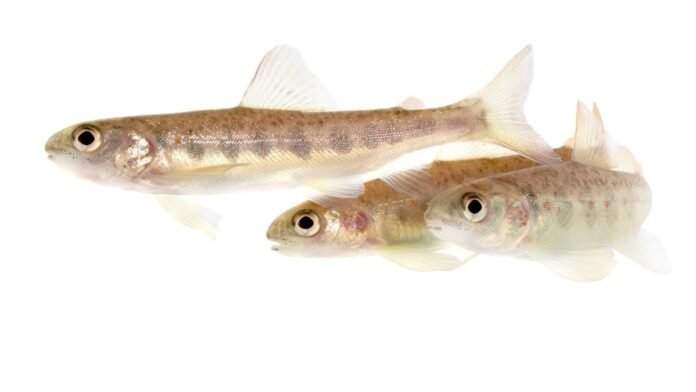

A recent study has uncovered that cocaine pollution from human sources is causing salmon to exhibit heightened activity levels in their natural environment. Scientists have observed that traces of this illicit drug are influencing the behavior of juvenile Atlantic salmon, leading them to swim longer distances and expand their territories. This groundbreaking research, detailed in Current Biology, is the first to illustrate the impact of cocaine contamination on fish behavior in their natural habitat rather than in controlled laboratory settings.
To investigate the effects of pollutants on animal movement, an international team of researchers conducted a study using slow-release chemical implants and acoustic tracking on 105 juvenile Atlantic salmon in Lake Vättern, Sweden. The fish were split into three groups: a control group, a group exposed to cocaine, and a group exposed to benzoylecgonine, a primary cocaine metabolite commonly found in wastewater.
The researchers observed that fish exposed to benzoylecgonine exhibited significantly increased swimming distances and wider dispersion across the lake compared to unexposed fish. These changes grew more pronounced over time, indicating that drug exposure altered the spatial behavior of fish within their complex ecosystem.
Dr. Marcus Michelangeli, a co-author of the study, emphasized the importance of understanding how pollutants impact animal movement, as it influences various ecological aspects such as feeding habits, predation, and population dynamics. The study’s findings highlight the potential ecological consequences of pollution-induced alterations in animal behavior.
The research team noted that while cocaine and its metabolites are increasingly detected in water bodies worldwide, the focus has traditionally been on the parent compound rather than its metabolites. This oversight may underestimate the biological effects of these substances in aquatic environments. However, they clarified that the detected levels of exposure posed no immediate threat to human consumers as the compounds naturally degrade over time, and the studied fish were juveniles below legal catch size.
Dr. Michelangeli underscored the broader concern of various pollutants entering aquatic ecosystems and emphasized the need for further research to assess the extent of these effects, identify vulnerable species, and evaluate potential impacts on fish survival and reproduction. The study highlights the intricate relationship between human activities, environmental pollution, and wildlife behavior, underscoring the need for ongoing research and environmental protection efforts.