
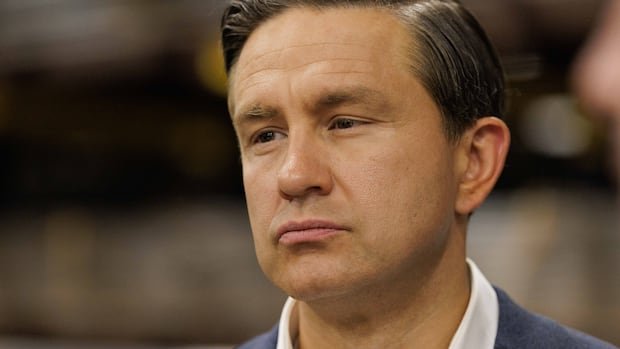

Conservative Leader Pierre Poilievre has urged Prime Minister Mark Carney to reconvene Parliament to provide clarity on the rejected U.S. trade deal and to address concerns about the potential impact on Canadians. Poilievre emphasized the importance of releasing the text of the deal for public scrutiny and understanding the implications of Carney’s trade and economic strategies, particularly in relation to increased costs on essential goods like groceries and fuel.
In a letter to Carney, Poilievre also raised questions about the protection of crucial industries such as steel, aluminum, lumber, and auto manufacturing jobs that may be at risk due to tariffs imposed by the United States. Carney halted trade negotiations with the U.S. following allegations of restrictive measures that hindered Canada’s trade partnerships with other nations. He vowed to impose retaliatory tariffs in response to the new U.S. tariffs implemented recently.
Poilievre emphasized the accountability of Parliament in overseeing government actions, stating that the current economic challenges demand urgent attention. He underscored the need to prioritize national interests and ensure transparency in decision-making processes. Additionally, Poilievre’s concerns echoed those of Canada-U.S. relations critic Shuvaloy Majumdar, who emphasized the need for clarity on the terms of the rejected trade deal.
The U.S. imposed significant tariffs on various Canadian exports, prompting Carney to label the deal as unfavorable and opting to retaliate with tariffs of Canada’s own. Transparency and public disclosure were highlighted as critical aspects, with Poilievre pointing out past instances where Canadians were not fully informed until details were made public. The government’s decision to walk away from the deal was supported by opposition parties, who called for comprehensive briefings on the trade negotiations’ progress.
Carney accused the U.S. of introducing last-minute measures that limited Canada’s trade flexibility and undermined cultural protections. Despite offers to reduce tariffs on certain goods, Carney expressed concerns over the lack of concessions on key items like medium and heavy trucks. The ongoing trade dispute between Canada and the U.S. has raised uncertainties about the future of bilateral economic relations, prompting calls for increased transparency and accountability in trade negotiations.