

Conservative lawmakers are urging the Liberal government to disclose the contents of the U.S. tariff deal that was declined last week. While some argue for transparency to promote national unity, others believe it could weaken Canada’s negotiating position.
Following unsuccessful negotiations, U.S. President Donald Trump imposed 50% tariffs on numerous Canadian imports. Prime Minister Mark Carney stated that the American demands were excessive and the offers insufficient for Canada to agree to a final deal.
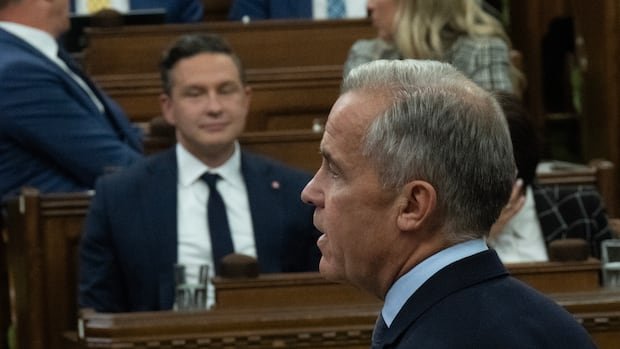
Conservative MPs are pressing Carney to reveal the specifics of the rejected agreement. Conservative Leader Pierre Poilievre emphasized the importance of transparency, urging the release of the proposed text to inform Canadians about the terms that were under consideration.
Bloc Québécois Leader Yves-François Blanchet expressed openness to the government disclosing the details, while trade expert Lawrence Herman cautioned against revealing such sensitive information, highlighting the potential negative impact on future negotiations.
Despite calls for transparency, Finance Minister François-Philippe Champagne noted that key details had already been publicly discussed. Conservative arguments for releasing the draft were met with differing opinions, with some emphasizing the need for confidentiality in trade talks.
Experts like Carlo Dade stressed the value of transparency, considering the broader global implications of the negotiations. However, concerns were raised about the potential consequences of revealing negotiation details under Section 338 of the U.S. Tariff Act.
In summary, the debate over whether to disclose the details of the rejected trade deal highlights the complex considerations involved in balancing transparency with strategic negotiation tactics.