
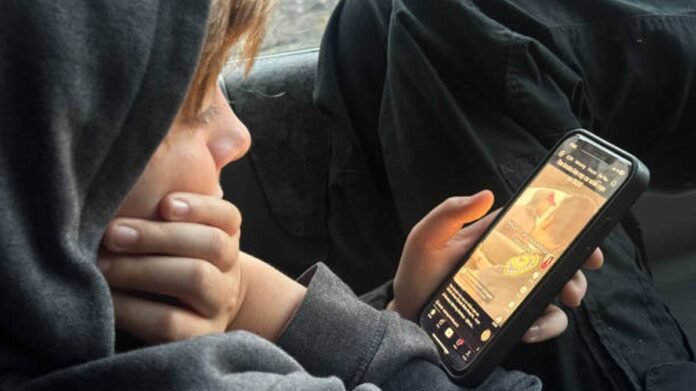

Calls for increased male involvement in a public consultation on online safety have emerged as data indicates that fathers in the UK represent less than a quarter of parental responses. Despite concerns about harmful experiences faced by boys and young men, such as body shaming, misogynistic interactions, and addictive behaviors, dads have contributed fewer than 6,500 responses out of the 28,000 collected so far in the 12-week government consultation, set to conclude on May 26.
The consultation seeks feedback from adults and young individuals on various proposals, including implementing a social media restriction for children under 16, setting screen-time limits, and prohibiting phone use in schools. Kanishka Narayan MP, the Minister for Online Safety, from the Labour Party, has emphasized the importance of dads’ participation, highlighting that their input is crucial in ensuring their children’s online safety.
CEO of Male Allies UK, Lee Chambers, pointed out that barriers such as fear of judgment, uncertainty about expressing opinions, and a perception that online safety issues do not directly impact men may hinder male engagement. Chambers stressed the significance of men and boys voicing their perspectives in the consultation, given the unique challenges they face online, including gambling and isolation linked to reliance on AI companions and gaming.
He urged the government to facilitate and normalize male participation by tailoring the consultation to resonate with the interests of boys, simplifying the process, and demonstrating the value of their contributions. Regional response rates vary across the UK, with lower participation rates observed in the Midlands, the north of England, Scotland, Wales, and Northern Ireland, prompting the government to call for broader representation nationwide.
To participate in the consultation, individuals are encouraged to search for ‘Growing up in an online world’ on the government’s website. For additional support on online safety issues, resources are available through NSPCC and InternetMatters.org.