
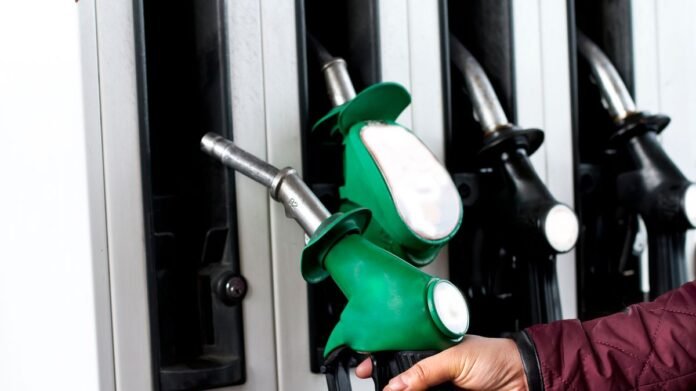

The price of filling up a typical family car with diesel has surpassed £100 amid ongoing increases attributed to the conflict in the Middle East. Recent figures from the RAC reveal that the average diesel prices at UK fuel stations reached 182.8p per liter on Tuesday, marking a 40p surge since the commencement of the war on February 28.
This surge results in a total cost of £100.52 to fill a standard 55-liter family car, crossing the £100 mark for the first time since December 2022. Additionally, the average petrol price now stands at 152.8p per liter, reflecting a 20p increase since the conflict began.
Simon Williams, the head of policy at RAC, noted that while the price of petrol may stabilize if oil costs do not escalate further, diesel prices are expected to continue rising. The RAC Foundation, a motoring research charity, cautioned that drivers have collectively paid an extra £409 million for diesel and £135 million for petrol due to the recent price hikes.
According to Steve Gooding, the director of the RAC Foundation, if the current rate of increases persists, motorists could collectively spend over a billion pounds at the pump within the next few weeks due to the ongoing conflict. Wholesale fuel prices have surged following the closure of the Strait of Hormuz, resulting in Brent crude reaching $116 a barrel this week.
In response to the situation, the government urged drivers to compare fuel prices to save money and released a list of third-party fuel-price apps and websites. Since February 2, all UK fuel stations have been required to report price adjustments to the Fuel Finder database within 30 minutes of any change, allowing motorists to easily compare prices using various apps and platforms.
Rachel Reeves, the Chancellor, recently met with industry leaders to discuss the issue and emphasized the shared responsibility of petrol retailers in keeping prices affordable for drivers. This move comes as pump prices align with increased price transparency facilitated by the UK Government, leading to a surge in the use of fuel-price comparison tools by motorists seeking savings.