
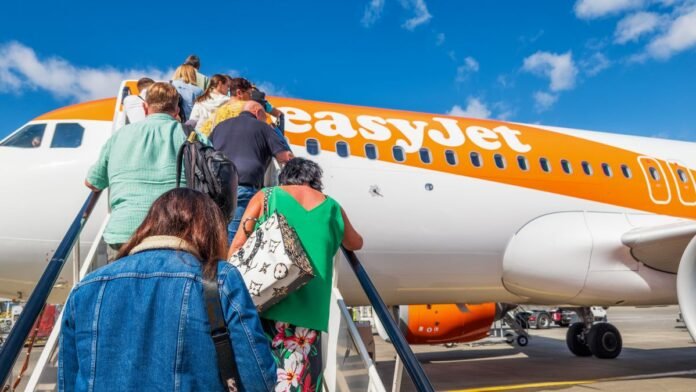

The CEO of easyJet has raised concerns about potential summer price increases due to a £25 million impact from surging jet fuel expenses. A surge in energy costs linked to the Iran conflict may lead to higher prices for overseas vacations, putting additional strain on household budgets. Kenton Javis, easyJet’s chief executive, stated that prolonged high fuel costs could affect industry-wide pricing.
Despite hedging a significant portion of fuel costs in advance, easyJet faced a substantial bill for fuel in March. The airline had secured prices for around 80% of its fuel needs but remained exposed to price fluctuations for the remainder. With only 70% of its peak summer jet fuel costs locked in, easyJet faces heightened risks amid the ongoing Middle East conflict.
Facing a potential half-year loss between £540 million and £560 million, easyJet’s financial outlook has deteriorated from a £394 million loss the previous year. The airline attributed part of this increase to a £30 million provision for legal expenses. Reduced demand in recent months prompted price reductions, contributing to anticipated losses extending into June.
The US-Israeli conflict with Iran has driven jet fuel prices up by as much as $200 per barrel, disrupting the global aviation sector and forcing airlines to adjust fares and operational plans. Summer bookings for easyJet have lagged behind last year’s levels, partly due to concerns over escalating ticket prices and the impact of the Iran conflict on traveler preferences.
Speculation has emerged about potential flight cancellations amid fears of jet fuel shortages. However, easyJet’s CEO assured that the airline has ample fuel supply for the immediate future, downplaying concerns of imminent disruptions. Market analysts believe that easyJet’s financial resilience and past crisis management experience position it well to navigate the current challenges.
The outcome of the Middle East crisis will significantly influence easyJet’s performance, with a swift resolution potentially alleviating cost pressures and stimulating booking activity. Conversely, a prolonged crisis could further dampen demand, leading to flight cancellations if fuel availability becomes constrained in various regions globally.