
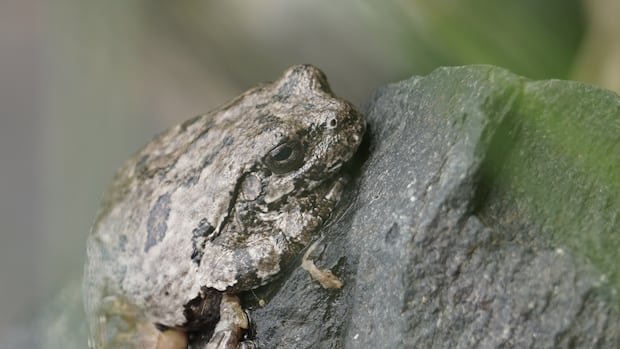

A deadly fungal disease known as chytridiomycosis is causing skin thickening, lethargy, and breathing difficulties in frogs and toads globally. While not yet detected in Manitoba, researchers believe the pathogen is likely present due to its widespread nature across North America. Chytrid affects frogs and toads differently, with Batrachochytrium dendrobatidis affecting frogs and Batrachochytrium salamandrivorans impacting salamanders.
The disease, responsible for the extinction of numerous amphibian species, has been linked to international pet trade activities. Chytrid has caused severe population declines in various regions, prompting concerns about its potential impact on Manitoba’s amphibians. Researchers are actively monitoring wetlands in Manitoba to detect any signs of the deadly fungal infection that threatens amphibian populations worldwide.
Studies have shown a high prevalence of chytrid in frog populations in neighboring provinces, highlighting the need for proactive monitoring and conservation efforts. With the changing environment and climate, the risk of chytrid spreading to Manitoba’s amphibians is a growing concern. Researchers are working to identify habitats where the pathogen could thrive to develop strategies for mitigating its impact on local amphibian populations. By implementing proactive measures, there is hope that Manitoba’s amphibians can be protected from the devastating effects of chytridiomycosis.