
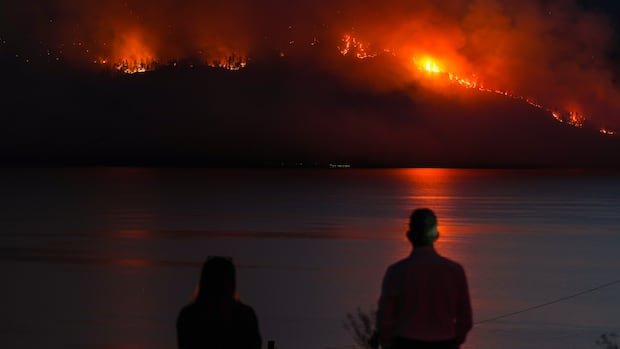

A powerful El Niño event, also referred to as a “Godzilla” El Niño, has reemerged in the Pacific Ocean, disrupting global weather patterns amidst rising temperatures worldwide. Record-breaking heatwaves in North America and Europe during July have resulted in numerous heat-related fatalities, dried-up rivers, and extensive wildfires, including in Canada where over 4.1 million hectares of forest have burned, shrouding vast areas in smoke.
Although this scorching summer coincides with the return of El Niño, climate scientists clarify that it is not directly responsible for the extreme weather events. However, they caution that the interaction between this natural phenomenon and human-induced climate change could exacerbate already intense weather patterns.
Experts, including Josh Willis from NASA’s Jet Propulsion Laboratory, anticipate significant and widespread impacts from El Niño, advising preparedness for potentially extreme conditions ahead. The current El Niño is expected to rival historically strong events from the past, such as those in 2015-16 and 1997-98.
El Niños typically occur every few years, heating up ocean surface temperatures in the Pacific and altering atmospheric conditions, leading to contrasting weather patterns globally. This ongoing El Niño, though not directly linked to recent heatwaves and wildfires, has raised concerns about its influence on current climate extremes.
Projections indicate that regions like Canada and the northern U.S. may experience a warmer winter due to El Niño, while British Columbia’s south coast could face reduced precipitation. Meanwhile, the southern U.S. is likely to see increased rainfall. El Niño’s impact is already evident in areas like Peru and Ecuador, with threats to local fisheries and varying precipitation patterns.
As El Niño persists, changes in hurricane activity are expected, with fewer storms in the Atlantic but heightened storm formation in the Eastern Pacific. This shift has already led to notable tropical storms in the region, including Hurricane Genevieve and Tropical Storm Lala.
The convergence of El Niño with ongoing climate change poses challenges for predicting weather patterns and underscores the need for sustained monitoring and adaptation. Scientists warn that the effects of this El Niño event could extend well into the following year, influencing global weather dynamics and emphasizing the urgency for climate action.