
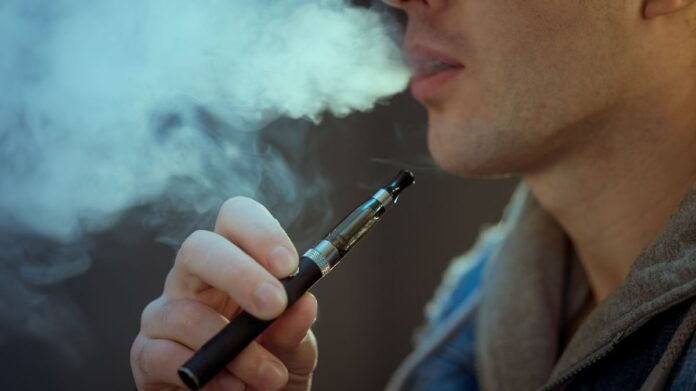

Wes Streeting has committed to cracking down on the promotion of vapes in retail stores to address the surge in youth vaping.
The Health Secretary announced that the government will utilize new authorities granted by the recently enacted Tobacco and Vapes Act to restrict the advertising and marketing of e-cigarettes in various retail establishments nationwide. This enforcement will prohibit advertisements, billboards, and sponsorships by vaping companies.
Additionally, the Government is proposing a consultation to consider whether vapes should be placed in plain packaging and concealed from view under the counter, similar to cigarettes.
Streeting stated to the Mirror, “Starting next summer, flashy vape advertisements and sponsorships will cease. Stringent regulations will be implemented to curb advertising that often targets minors.”
He emphasized that vaping should only be used as a cessation aid for adult smokers and never by minors. The significant increase in youth vaping, with rates more than doubling in the past five years and one in four children having tried it, is concerning. Streeting attributed this trend to attractive packaging, sweet flavors, and aggressive marketing tactics.
The Government confirmed that the implementation of these measures will begin on June 1 next year, providing the industry with a one-year notice period. The visibility of brightly colored e-cigarette advertisements in small shops will be significantly reduced, and vending machines selling vapes will be prohibited.
Chief Medical Officer for England, Professor Sir Chris Whitty, condemned marketing vapes to children as unacceptable and stressed the importance of restricting such practices.
The new law grants authorities to regulate the flavors, packaging, and display of all vapes and nicotine products to prevent them from appealing to children with vibrant colors and fruity flavors. Loopholes will be closed to ban the sale of all vapes and nicotine products to individuals under 18, including nicotine pouches and free samples.
Streeting added, “We are closing these loopholes. No sales to under-18s, no free samples, no vending machines. We are also considering the introduction of vape-free zones in various locations, and consultations will be held on proposed restrictions regarding the display, packaging, and appearance of vapes later this year.”
He warned about the potential health risks associated with vaping, citing emerging evidence that young vapers are prone to experiencing respiratory issues similar to young smokers. He urged young vapers and parents to consider the long-term effects and avoid taking unnecessary risks.
Although the link between tobacco smoking and cancer was established in the 1950s, it took decades for attitudes to change and smoking rates to decline. The NHS continues to endorse e-cigarettes as a smoking cessation aid, but concerns persist about the increasing number of non-smoking youth taking up vaping. Recent research indicates that vaping is less harmful than smoking.
The article also contains a notice regarding the use of cookies and data collection practices on the website.