

Keir Starmer is facing growing calls to implement a ban on social media for individuals under the age of 16. Parliamentarians had to reject the ban for the second time in six weeks following pressure from peers on Wednesday night.
The Labour party is conducting a digital safety consultation that will assess the effectiveness of various measures, including an outright ban, restrictions on addictive app features, or imposing an overnight curfew. The consultation will also explore the need for restrictions on platforms beyond traditional social media, such as gaming platforms and AI chatbots.
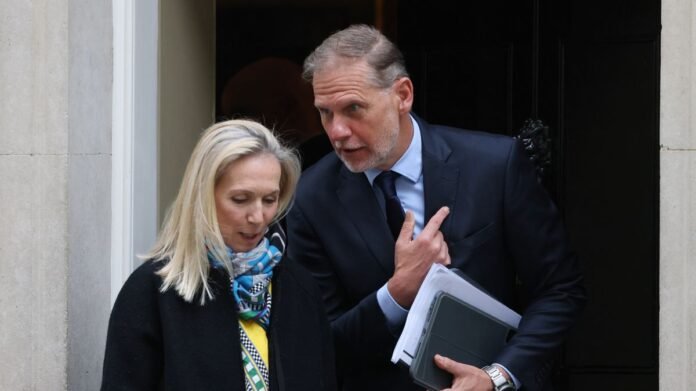
There is increasing pressure on the Prime Minister to swiftly enforce a ban, especially after Australia implemented one in December and other European countries like Greece and Spain proposed similar actions. To address concerns, the PM summoned tech giants to Downing Street to address the risks faced by children on social media.
During the meeting, Mr. Starmer suggested the possibility of a ban, emphasizing the importance of protecting children even if it means limiting access to online platforms to prevent harm. Australia’s social media ban, which came into effect on December 10, includes ten platforms under minimum age restrictions, with penalties for non-compliance reaching up to £25 million.
Critics argue for broader inclusion of platforms in the ban, such as AI chatbots, gaming platforms, and dating websites. Despite the ban, research indicates that a majority of children in Australia still access restricted platforms. Concerns have also been raised about the effectiveness of age verification technology, with reports of youngsters circumventing the ban through various means.
In the UK, stringent age verification measures have been enforced across social media platforms following the Online Safety Act. With existing age verification systems in place, implementing a ban could be relatively straightforward if required by the Government. The ongoing Children’s Wellbeing and Schools Bill could grant additional powers to swiftly introduce targeted actions based on consultation outcomes.
However, challenges remain as tech-savvy youngsters have found ways to bypass age verification measures using tools like virtual private networks (VPNs). Efforts are underway to address these loopholes, with proposals to restrict children’s access to VPNs being considered as part of the consultation process.